


Overview
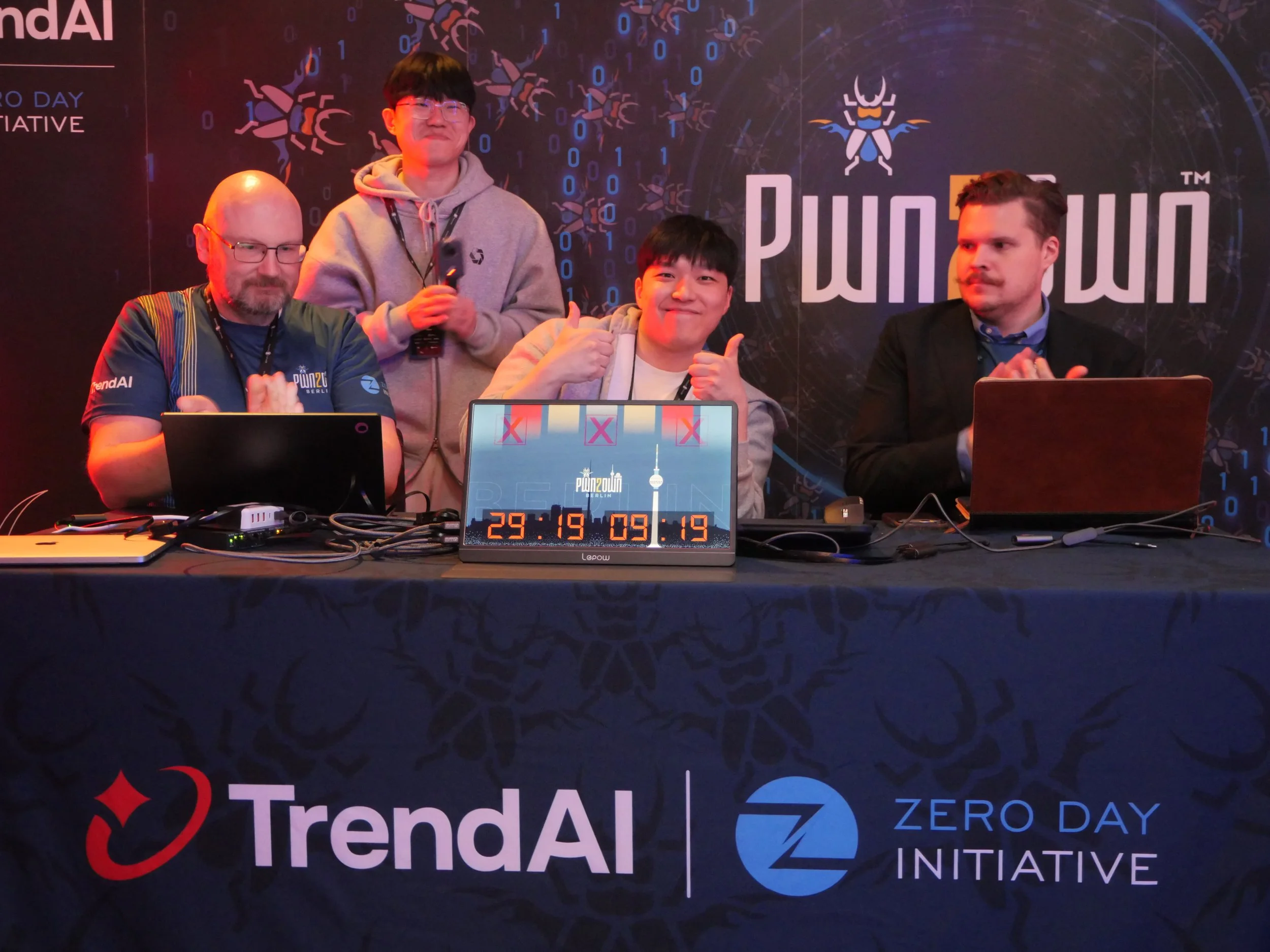
The Pwn2Own Berlin 2026 security research competition concluded its opening day with security researchers demonstrating 24 unique zero-day vulnerabilities across major enterprise software targets and earning $523,000 in prize money — the most productive first day in the competition’s history. The targets included Windows 11, Microsoft Edge, and several enterprise virtualisation and networking products, and the breadth of the vulnerabilities demonstrated reflects both the increasing sophistication of the security research community and the persistent difficulty of eliminating high-impact flaws from complex software systems.
What Pwn2Own Is and Why It Matters
Pwn2Own is a long-running competition organised by Trend Micro’s Zero Day Initiative that brings together elite security researchers from around the world to demonstrate previously undisclosed vulnerabilities in widely deployed software. Participating researchers must demonstrate working exploits against target systems within defined time limits, and successful demonstrations earn prize money and result in the vulnerabilities being reported to the affected vendors for patching. The competition is widely regarded as one of the most important mechanisms for surfacing serious vulnerabilities in commercial software in a controlled, responsible manner.
The scale and success rate of Day 1 at Berlin 2026 is significant. Twenty-four unique zero-days demonstrated in a single day means 24 previously unknown vulnerabilities in software used by millions of organisations worldwide. Several of these are expected to be rated critical, meaning they could allow remote code execution or privilege escalation without user interaction.
Windows 11 and Edge as Primary Targets
Microsoft products have historically been prominent targets at Pwn2Own, reflecting both their ubiquity in enterprise environments — making them high-value targets for prize money — and the ongoing difficulty of securing enormously complex codebases like Windows and its browser engine. This year’s competition is occurring in the context of Microsoft’s ongoing deep integration of AI features into both products, which security researchers have noted adds new attack surfaces that have not yet been as thoroughly analysed as core OS components.
The intersection of AI systems and operating system security is emerging as a research frontier. When AI components operate at system level — accessing screen content, initiating file operations, connecting to external services — they create new pathways that adversaries can potentially exploit, and the techniques for securing these pathways are less mature than those for traditional OS components.
Implications for Enterprise Security Teams
The Pwn2Own results serve as a reminder that patch management discipline remains one of the most critical and underappreciated elements of enterprise security posture. Every zero-day demonstrated at Berlin represents a vulnerability that could be exploited by sophisticated threat actors in the wild, and the window between public disclosure and patch availability — even with responsible disclosure protocols — creates real exposure for organisations that cannot deploy patches immediately.


