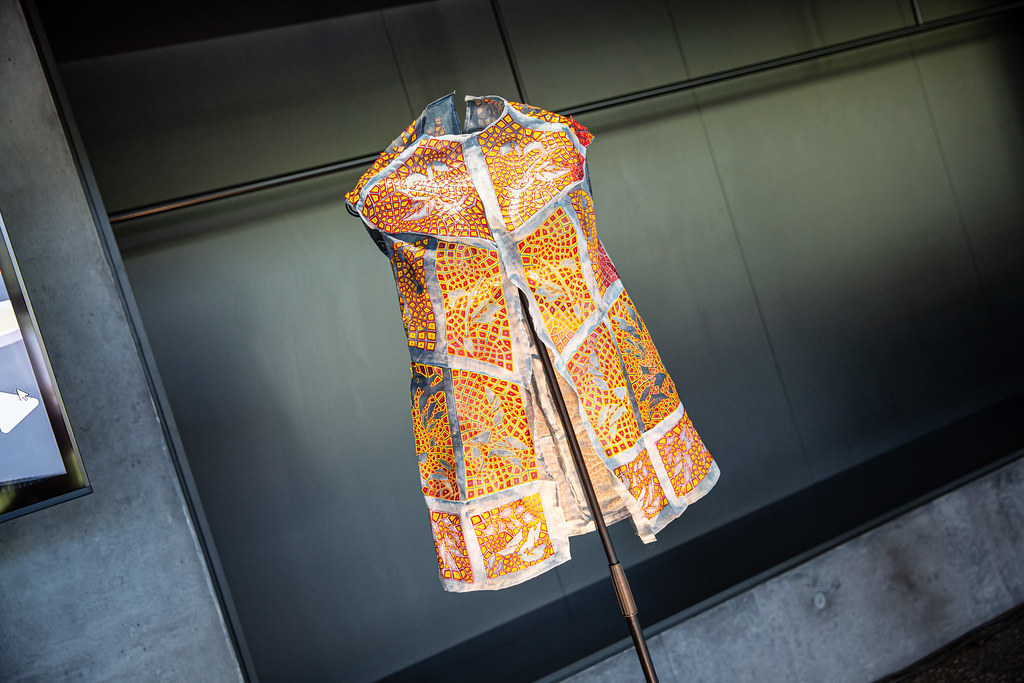
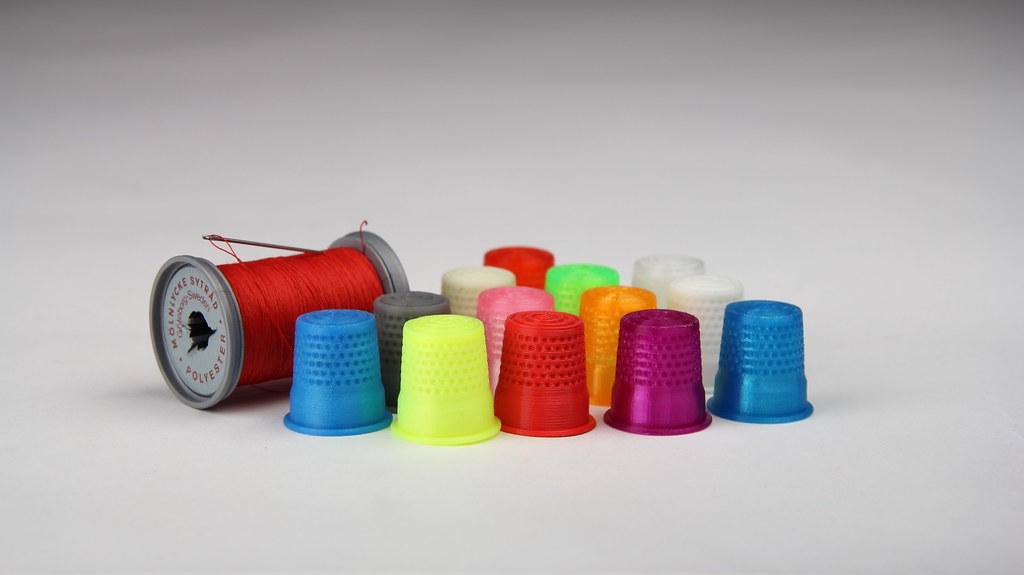
The intersection of fashion, design, and technology is a dynamic space where innovation thrives. 3D printing, a standout technology in this fusion, has profoundly influenced textile fashion and design, offering designers new realms of creativity and functionality. This technology allows for unprecedented design complexities, including intricate patterns and structures that are difficult or impossible to achieve with traditional textile manufacturing techniques. As 3D printing continues to evolve, it is reshaping the fashion industry, promoting sustainability, and enhancing the customization of garments to meet individual style and fit preferences.
The Emergence of 3D Printing in Textile Fashion and Design
Originally a tool for prototyping in industrial applications, 3D printing has transcended into the world of fashion and design, driven by its ability to materialize complex designs directly from digital files. Designers and fashion houses are increasingly exploring 3D printing to push the boundaries of traditional fashion and to develop garments and accessories that are both innovative and environmentally conscious. This shift toward additive manufacturing in fashion is not just about aesthetics but also about proposing new approaches to garment construction and production.

Advantages of 3D Printing in Textile Fashion and Design
Complex Designs and Customization: 3D printing enables the creation of intricate designs that are often unachievable with conventional fabric-making processes. It also offers extensive customization capabilities, allowing for garments and accessories to be tailored to the precise body measurements and style preferences of the wearer.
Sustainability: 3D printing contributes to sustainability in fashion by reducing waste associated with fabric cutting and by enabling the use of eco-friendly materials. Moreover, the technology supports on-demand production, which minimizes overproduction and excess inventory.
Integration of Functionality: Beyond aesthetics, 3D printing allows for the integration of functional elements within textiles, such as flexibility, breathability, and water resistance, without compromising the garment’s overall design.
Speed and Innovation in Prototyping: 3D printing accelerates the design process, from conception to prototype. Designers can quickly test and modify ideas, which enhances creativity and reduces the time to market for new designs.
Key Applications of 3D Printing in Textile Fashion and Design
Haute Couture: High fashion has embraced 3D printing to create unique, complex garments that reflect individual artistry and innovation. These garments often serve as statement pieces on runways, showcasing the potential of 3D printing in redefining fashion norms.
Functional Wearables: In sports and active wear, 3D printing is used to produce garments and gear tailored for enhanced performance, comfort, and fit. These items often include custom-fitted footwear, athletic wear with improved ergonomics, and gear with built-in flexibility or support.
Accessories and Jewelry: 3D printing is particularly popular in the design of fashion accessories, including jewelry, watches, and eyewear. This application allows for high levels of detail and customization, opening up new possibilities for personal expression and branding.
Bespoke Fashion: The demand for personalized clothing and accessories is well-served by 3D printing technologies, allowing designers to offer bespoke services more efficiently. This trend is growing in luxury fashion markets, where exclusivity and fit are paramount.

Challenges in 3D Printing for Textile Fashion and Design
Material Limitations: While there are advancements in printable materials, the range and properties still need to match those of traditional textiles, especially in terms of comfort, drape, and washability.
Technical Expertise and Cost: Proficiency in 3D design and printing technology is essential, as is access to 3D printers, which can be costly. This can be a barrier for smaller design houses or independent designers.
Market Acceptance: Despite its growing popularity, some segments of the fashion market remain skeptical about the comfort and practicality of 3D printed apparel, limiting wider adoption.
Scalability: Scaling 3D printing for mass production remains challenging and cost-prohibitive, making it currently more suitable for high-end or custom pieces rather than mainstream fashion items.
Future Directions in 3D Printing for Textile Fashion and Design
As technology advances, 3D printing in fashion is expected to become more accessible, versatile, and integrated with traditional textile production. Future developments may include the creation of new materials that are both functional and aesthetically pleasing, advanced printers capable of handling multiple materials, and more streamlined design-to-production processes that can efficiently scale.
3D printing is set to continue its transformative impact on the textile fashion and design industry, offering new tools for innovation and expression. As the technology progresses, it promises to further revolutionize how garments are designed, produced, and worn, making fashion more personalized, sustainable, and creatively unrestricted. With ongoing advancements and wider adoption, 3D printing will increasingly become a cornerstone of modern fashion design and textile engineering.