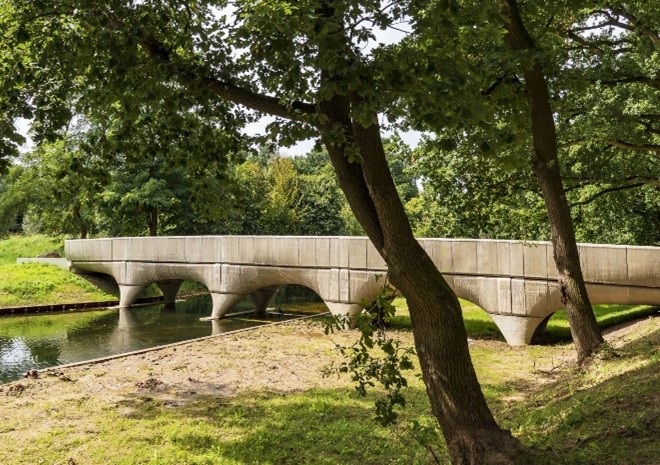
In the world of environmental engineering, sustainability is paramount. With the advent of 3D printing, also known as additive manufacturing, the field has witnessed transformative changes, particularly in the development of eco-friendly materials, waste reduction, and resource management. This technology is not just revolutionizing how products are made; it is also reshaping environmental conservation and recovery strategies.
The Emergence of 3D Printing in Environmental Engineering
Initially popular in industries like manufacturing and healthcare for its precision and efficiency, 3D printing has grown to play a crucial role in environmental engineering. It offers innovative ways to tackle pollution, enhance waste management, and promote sustainable manufacturing practices. This technology’s ability to produce less waste and use fewer raw materials compared to traditional manufacturing methods aligns closely with the goals of environmental engineering.

Advantages of 3D Printing in Environmental Engineering
Resource Efficiency: 3D printing is inherently less wasteful than subtractive manufacturing processes, as it builds objects layer by layer, using only the material necessary for the product itself. This precise material usage significantly reduces scrap and excess.
Energy Reduction: Compared to conventional industrial manufacturing processes, 3D printing can be less energy-intensive, especially for small production runs and prototyping, thereby reducing the carbon footprint associated with manufacturing.
Innovation in Materials: Environmental engineers use 3D printing to develop new sustainable materials, such as bioplastics and recycled composites. These materials are designed to reduce environmental impact and are often biodegradable or easier to recycle.
Customization and Local Production: 3D printing enables the production of parts on-demand, close to where they are needed, which cuts down on logistics and transport emissions. Customization also means that parts are ideally suited to their purpose, reducing inefficiencies and prolonging product life cycles.
Key Applications of 3D Printing in Environmental Engineering
Water Treatment: 3D printing is used to create efficient designs for water filtration systems, including customizable filters that can target specific contaminants. These innovations can make water treatment solutions more accessible and effective, particularly in remote or underserved regions.
Air Pollution Control: Engineers are developing new 3D-printed air filters and scrubbers with enhanced surface areas and optimized geometries that can capture pollutants more effectively. These devices are crucial in industrial applications where air quality is a significant concern.
Habitat Restoration: 3D printing contributes to environmental restoration efforts, such as creating artificial reefs from eco-friendly materials. These structures are designed to promote marine life growth and restore coral ecosystems, which are vital for marine biodiversity.
Eco-friendly Infrastructure: From green roofs to optimized drainage systems, 3D printing is being explored for its potential to enhance the sustainability of urban infrastructures. These structures can help manage stormwater, reduce heat islands, and support urban agriculture.

Challenges in 3D Printing for Environmental Engineering
Despite the advantages, 3D printing in environmental engineering faces several challenges:
Technical Limitations: The quality and durability of products made from recycled or biodegradable materials often do not yet match those made from traditional materials, limiting their application in some areas of environmental engineering.
Economic and Scale Barriers: Scaling 3D printing for large-scale environmental applications can be economically challenging. The initial costs for industrial 3D printers and the materials can be high, although these are expected to decrease as the technology advances.
Regulatory and Standardization Issues: There is a lack of standardized guidelines and regulations specifically addressing the use of 3D printing in environmental engineering, particularly concerning the use of new biodegradable materials.
Future Directions in 3D Printing for Environmental Engineering
The future of 3D printing in environmental engineering is promising, driven by ongoing advancements in technology and materials science. Researchers are continually developing new sustainable materials that are stronger, more durable, and have lower environmental impacts. Furthermore, as the technology becomes more accessible and cost-effective, it is likely to be adopted more widely across environmental projects.
3D printing offers exciting possibilities for enhancing environmental sustainability and efficiency. It empowers engineers to innovate in ways that were previously unimaginable, from creating materials that help clean the environment to designing products that minimize waste. As this technology continues to evolve, its integration into environmental engineering will undoubtedly play a pivotal role in advancing global sustainability efforts.