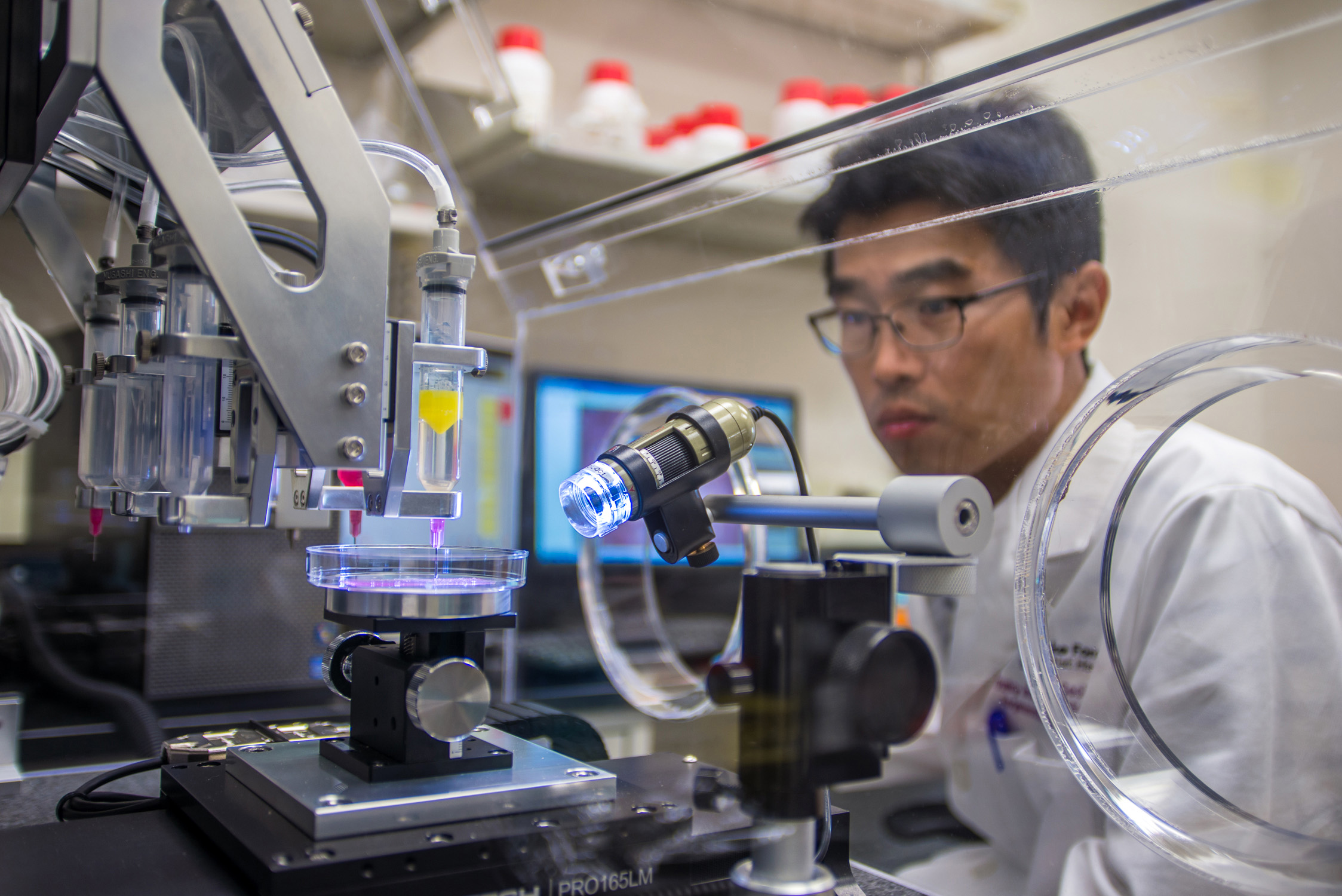
Aquaculture engineering is integral to the growth and sustainability of the global aquaculture industry, which aims to meet the rising demand for seafood while reducing pressure on wild fish populations. 3D printing, also known as additive manufacturing, is emerging as a transformative technology within this field. It offers unprecedented opportunities to enhance the design, production, and maintenance of aquaculture systems, including tanks, cages, feeding mechanisms, and environmental monitoring devices. This innovative approach facilitates customized solutions that improve fish health management, optimize space, and increase productivity.
The Emergence of 3D Printing in Aquaculture Engineering
Initially used for rapid prototyping, 3D printing has expanded its applications across industries by enabling the production of complex, durable components suitable for challenging environments. In aquaculture, this technology is being leveraged to create structures and equipment that can withstand corrosive saltwater environments, streamline operations, and enhance biosecurity. The ability of 3D printing to produce parts on-demand revolutionizes supply chains, reduces waste, and promotes sustainability in aquaculture practices.

Advantages of 3D Printing in Aquaculture Engineering
Customization and Complex Designs: 3D printing excels in producing customized solutions tailored to specific aquaculture needs, such as bespoke tank layouts, specialized feeding equipment, or unique habitat structures that promote fish health and welfare.
Rapid Prototyping and Iterative Design: The technology enables quick development and testing of new aquaculture equipment and system configurations. This rapid prototyping accelerates innovation, allowing for faster implementation of more efficient and effective aquaculture practices.
Reduced Material Waste and Cost Efficiency: Additive manufacturing minimizes material waste by using only the necessary materials to build a part, aligning with the sustainability goals of modern aquaculture. It also reduces the costs associated with inventory and logistics, especially in remote farming locations.
Enhanced Biosecurity: 3D printing can produce smooth-surfaced and precisely designed components that are easier to clean and maintain, reducing the risk of disease in aquaculture operations. Customized components can also be designed to fit perfectly with existing systems, improving overall farm biosecurity.
Key Applications of 3D Printing in Aquaculture Engineering
Custom Aquaculture Tanks and Systems: Tanks and water systems can be 3D printed to optimize space, improve water circulation, and enhance the living conditions of the aquatic species. These systems are designed to ensure maximum efficiency in water use and energy consumption.
Feeding Mechanisms and Equipment: Precision in feeding is crucial for the health and growth of cultured species. 3D printing allows for the development of specialized feeding mechanisms that distribute feed evenly and reduce wastage, which is vital for the profitability and environmental impact of aquaculture operations.
Habitat Enhancements and Enrichment: Structures such as artificial reefs or tailored habitat enhancements can be created to mimic natural environments, promoting healthier and more sustainable fish populations. These structures are often designed to encourage natural behaviors and reduce stress among farmed species.
Tools and Parts for Maintenance: On-demand printing of replacement parts and specialized maintenance tools directly on-site can significantly reduce downtime and improve the efficiency of aquaculture operations. This is particularly advantageous for offshore or remote farming sites where supply logistics can be challenging.

Challenges in 3D Printing for Aquaculture Engineering
Despite its potential, several challenges must be addressed to optimize the use of 3D printing in aquaculture engineering:
Material Durability and Safety: Materials used in 3D printing must be durable enough to handle prolonged exposure to water, temperature variations, and potentially aggressive marine environments. They must also be safe and non-toxic to aquatic life, adhering to strict regulatory standards.
Scalability of Production: While 3D printing is excellent for prototyping and small-scale production, scaling up to larger structures or high-volume production remains technically and economically challenging.
Technical Expertise and Cost: Implementing 3D printing technology requires significant technical expertise and initial capital investment, which may be prohibitive for smaller aquaculture operations.
Future Directions in 3D Printing for Aquaculture Engineering
The future of 3D printing in aquaculture engineering looks promising, with ongoing advancements likely to mitigate current limitations. Continued innovation in biocompatible and durable materials, larger-scale printing capabilities, and more cost-effective production methods will further integrate 3D printing into mainstream aquaculture practices.
3D printing is poised to continue its transformative impact on aquaculture engineering, offering innovative solutions that enhance the efficiency, sustainability, and profitability of aquaculture operations. As the technology advances, it promises to revolutionize how aquatic environments are constructed and maintained, leading to more resilient and productive aquaculture systems worldwide.