Biosystems engineering integrates principles of biology with engineering design to enhance and create sustainable systems in agriculture, environment, and bioprocesses. The introduction of 3D printing into this field is revolutionizing the way engineers approach problems, allowing for the creation of more efficient, precise, and innovative solutions. From developing complex bioreactors to customizing agricultural tools, 3D printing offers significant advancements in the design and implementation of biosystems engineering projects.
The Emergence of 3D Printing in Biosystems Engineering
Initially adopted for rapid prototyping in manufacturing industries, 3D printing has broadened its impact to include biosystems engineering. Its ability to create detailed, custom, and complex structures quickly and cost-effectively aligns well with the needs of biosystems engineers who often deal with complex biological processes and varied environmental conditions. This technology facilitates the precise fabrication of tools and devices that can withstand diverse biological interactions and harsh environmental impacts.
Advantages of 3D Printing in Biosystems Engineering
Customization and Adaptability: 3D printing allows for the customization of tools and devices to meet specific project requirements, improving functionality and compatibility with existing systems.
Complex Geometric Designs: The technology enables the creation of intricate components necessary for advanced biosystems designs, such as parts with unique geometries that improve the efficiency of bioreactors or water treatment systems.
Rapid Development and Prototyping: 3D printing offers the ability to quickly develop prototypes, allowing for faster innovation cycles and the ability to test and refine systems in real-time, significantly reducing development time.
Cost Reduction: Reducing material waste and eliminating the need for expensive molds or tooling, 3D printing decreases the overall cost of developing and deploying new engineering solutions.
Key Applications of 3D Printing in Biosystems Engineering
Bioreactor Design: Custom bioreactors for specific microbial processes can be 3D printed to optimize the conditions necessary for biofuel production, waste treatment, or pharmaceutical manufacturing.
Water and Soil Management Tools: 3D printing can be used to create specialized equipment for water purification systems, irrigation management, and soil analysis tools that are tailored to the specific needs of agricultural or environmental management projects.
Custom Agricultural Machinery: From precision seed planters to drone components for monitoring crop health, 3D printed parts can be specifically designed to enhance agricultural efficiency and productivity.
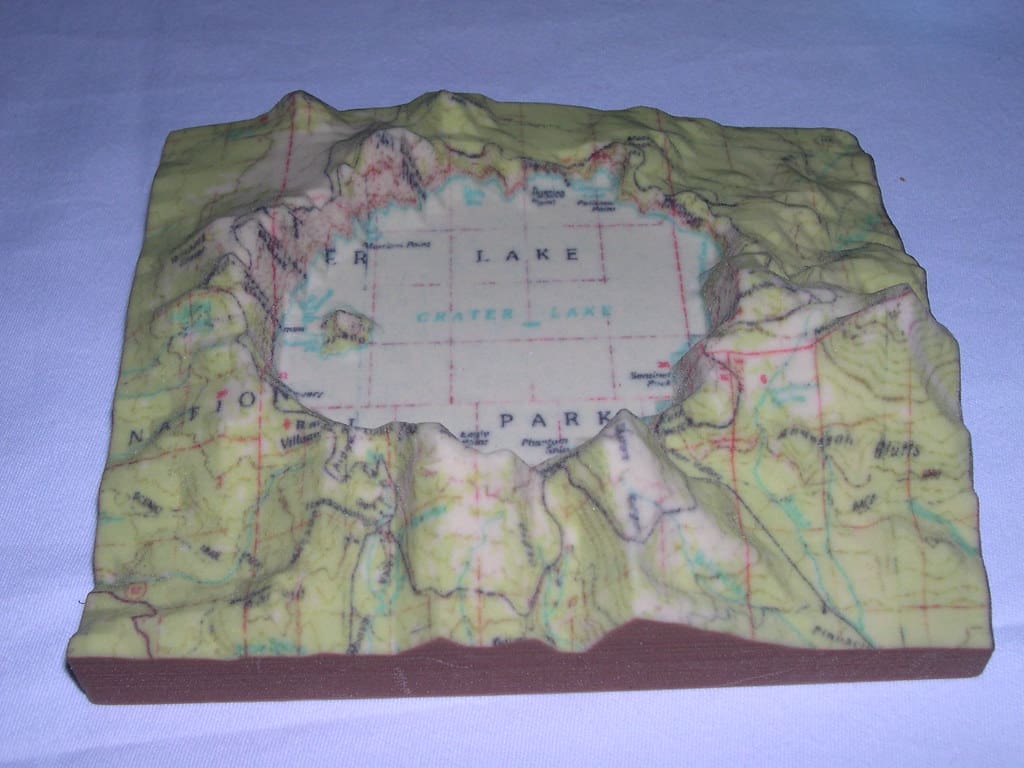
Ecosystem Models: Detailed models of ecosystems or specific environmental features can be 3D printed for educational purposes or to simulate and study environmental impacts and conservation strategies.
Challenges in 3D Printing for Biosystems Engineering
Material Limitations: Finding materials that are both durable and compatible with the biological and environmental conditions of biosystems projects is a significant challenge. These materials must often resist corrosion, provide structural integrity, and be non-toxic to plants and animals.
Scalability: While 3D printing is excellent for prototyping and small-scale production, scaling these processes to larger implementations or commercial production remains challenging.
Technical Expertise: Proficiency in both 3D printing technology and biosystems engineering is required to effectively design and implement functional systems. This dual expertise is essential but not always readily available.
Regulatory and Safety Considerations: Implementing 3D printed tools and systems in environments that directly impact food production, water quality, or public health involves navigating complex regulatory frameworks to ensure safety and compliance.
Future Directions in 3D Printing for Biosystems Engineering
The future of 3D printing in biosystems engineering is promising, with ongoing advancements likely to address existing challenges and enhance capabilities. Innovations in biodegradable and environmentally friendly printing materials, improvements in printing precision, and the development of larger-scale printing technologies are expected to further integrate 3D printing into this field.
3D printing is poised to continue revolutionizing biosystems engineering by providing tailored solutions that enhance the sustainability and efficiency of biological and ecological systems. As technology advances, it promises to unlock further potential in optimizing resource management, improving agricultural productivity, and advancing environmental conservation efforts.