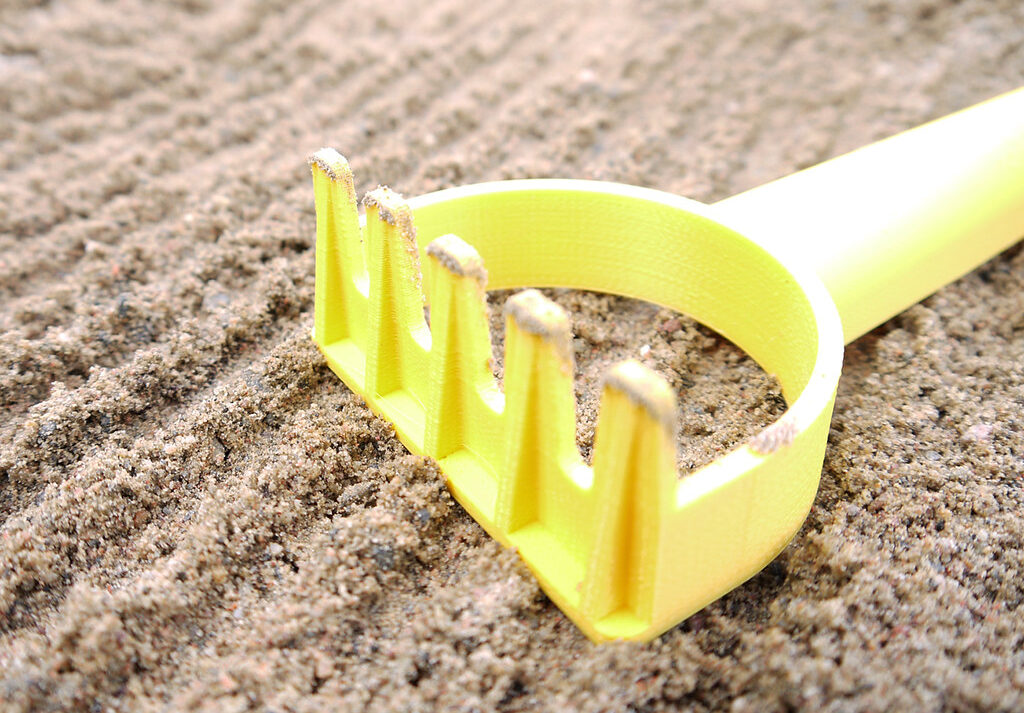
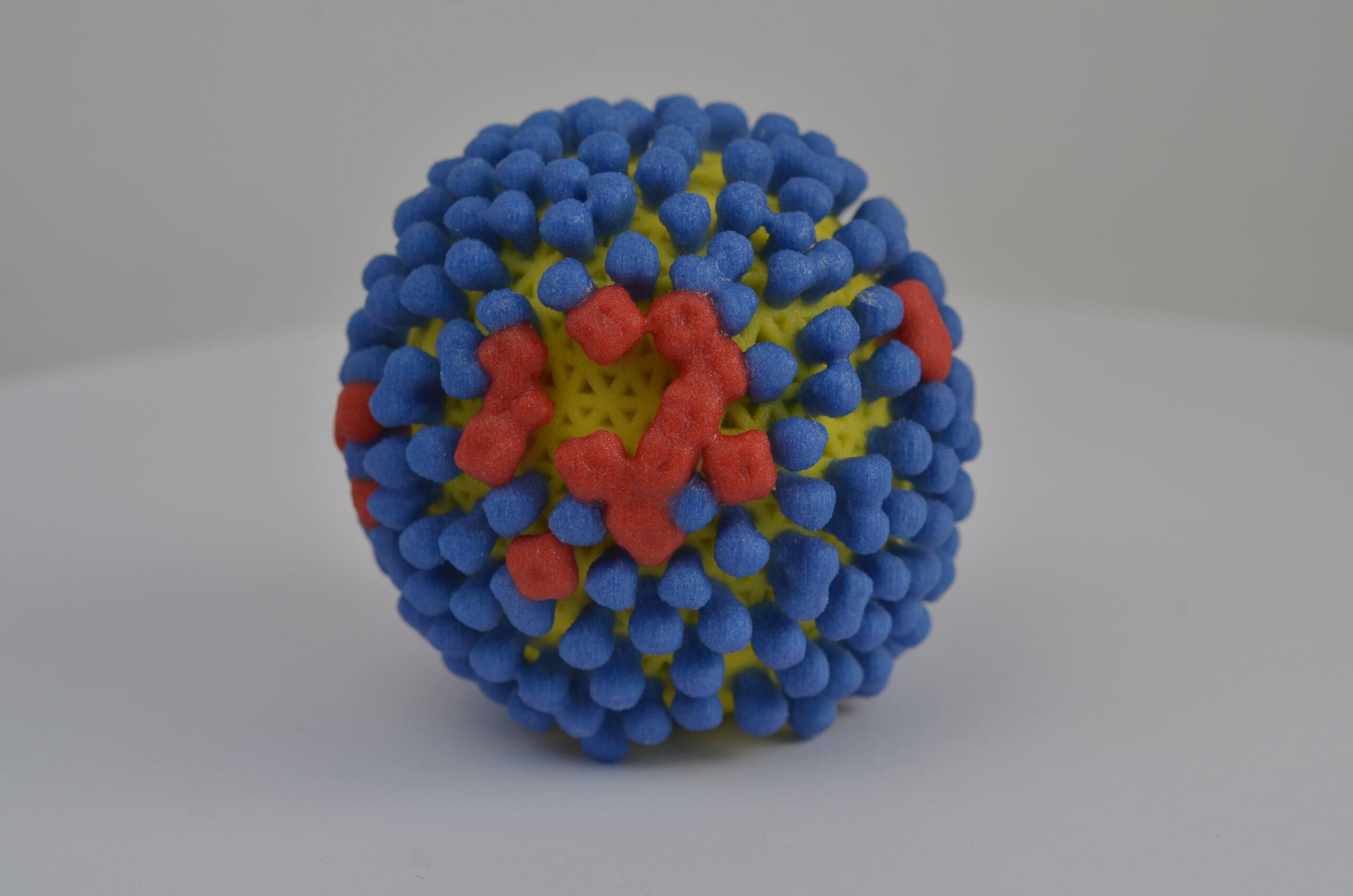
Biological Systems Engineering is a field at the intersection of engineering, biology, and technology. It aims to develop and enhance systems that involve biological organisms, often focusing on agricultural, environmental, and biomedical applications. 3D printing, or additive manufacturing, has significantly impacted this discipline by enabling the precise fabrication of complex biological models, custom lab equipment, and tailored solutions for environmental management. This technology supports innovative approaches to solving biological system challenges, facilitating advances in efficiency, sustainability, and functionality.
The Emergence of 3D Printing in Biological Systems Engineering
Initially popularized in manufacturing for rapid prototyping, 3D printing has expanded into biological systems engineering as a key tool for creating highly customized, complex structures that traditional manufacturing cannot easily achieve. It allows engineers to design and construct detailed models and devices that accurately replicate biological structures and systems, enhancing both research capabilities and practical applications.
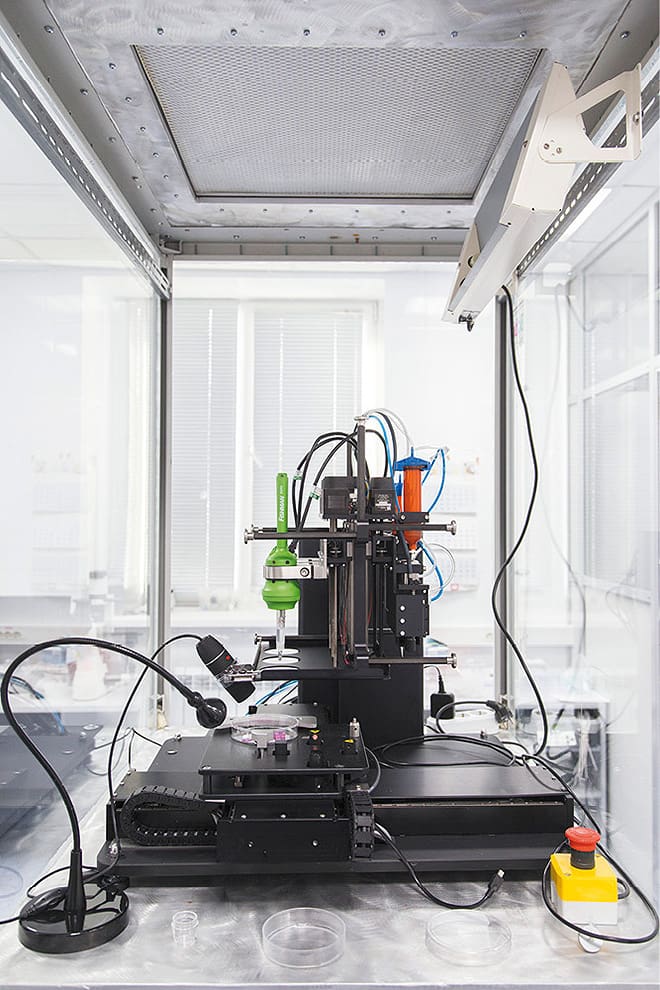
Advantages of 3D Printing in Biological Systems Engineering
Customization and Flexibility: 3D printing offers unparalleled capabilities to customize designs that meet specific biological requirements, which is particularly beneficial in creating models that mimic natural systems or in developing bespoke equipment for specialized research.
Complex Geometric Capabilities: This technology allows for the creation of intricate structures necessary for studying complex biological interactions, such as detailed ecosystem models or fluid dynamics systems in plant phytoremediation.
Speed and Cost-Efficiency: 3D printing reduces the time and expense associated with fabricating complex biological systems models and equipment, enabling more rapid iteration and testing of hypotheses in research settings.
Innovative Educational Tools: For academic environments, 3D printing provides educators with the tools to create detailed biological models that enhance teaching and understanding of complex biological systems engineering concepts.
Key Applications of 3D Printing in Biological Systems Engineering
Environmental Management Solutions: Custom devices for monitoring and improving environmental quality, such as water filtration systems or air quality sensors, can be efficiently produced, allowing for tailored solutions to specific ecological challenges.
Agricultural Innovations: 3D printing is used to create custom tools and machinery for precision agriculture, including drone components for crop monitoring or devices that optimize irrigation and reduce water usage.
Biomedical Devices and Tissue Engineering: In the biomedical sphere, 3D printing contributes to the development of custom prosthetics, implants, and scaffolds for tissue engineering, providing solutions that are specifically tailored to individual patients’ anatomical and physiological needs.
Bioreactor Design: For bioengineering processes such as fermentation or cell culture, 3D printed bioreactors can be customized to enhance mass transfer, improve scalability, and optimize microbial or cell growth conditions.

Challenges in 3D Printing for Biological Systems Engineering
Material Selection and Compatibility: Finding materials suitable for 3D printing that are biocompatible, environmentally sustainable, and capable of withstanding specific biological conditions is a significant challenge.
Technical Expertise: Effective use of 3D printing in biological systems engineering requires a combination of skills, including proficiency in CAD modeling, understanding of biological systems, and knowledge of 3D printing technology.
Scalability Issues: While 3D printing is excellent for prototyping and small-scale applications, scaling these solutions to larger or commercial scales often presents significant technological and economic challenges.
Regulatory and Ethical Considerations: Deploying 3D printed devices in sensitive biological environments or for clinical use involves navigating complex regulatory landscapes and addressing potential ethical issues, especially concerning genetic and wildlife conservation.
Future Directions in 3D Printing for Biological Systems Engineering
As 3D printing technology continues to evolve, its applications in biological systems engineering are expected to expand. Future advancements likely include the development of new biocompatible and environmentally sustainable materials, improved printing resolution and speed, and enhanced integration with biotechnological advancements such as CRISPR and synthetic biology.
3D printing is setting new standards in biological systems engineering by providing tools that push the boundaries of what can be designed and produced. It enables more personalized, precise, and sustainable solutions across environmental, agricultural, and biomedical fields. As the technology advances, it promises to further revolutionize the ways biological systems are studied, managed, and manipulated, offering more efficient and innovative solutions to some of the world’s most pressing biological challenges.