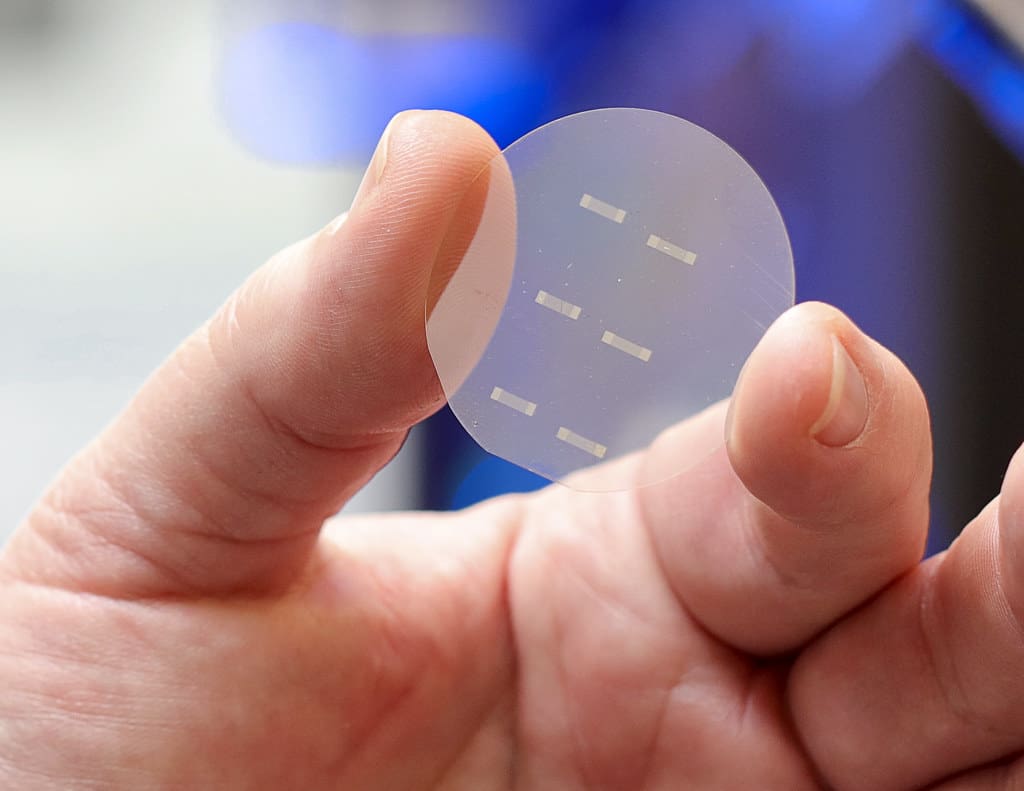
Biosensors are analytical devices that convert a biological response into an electrical signal, enabling the detection and quantification of various biological and chemical substances. They are crucial in healthcare, environmental monitoring, and food safety, among other fields. The integration of 3D printing, or additive manufacturing, into the development of biosensors is revolutionizing the field by enabling the rapid prototyping and customization of sensors that are highly specific, sensitive, and cost-effective. This technology allows for the design and fabrication of biosensors with complex architectures and multifunctional capabilities, potentially transforming diagnostics and analytical processes.
The Emergence of 3D Printing in Biosensors
Initially used primarily for prototyping in industrial applications, 3D printing has found a valuable place in the biosensors field, particularly due to its ability to produce intricate and precise microstructures that are often required in sensor design. As 3D printing technology has evolved, it now supports a variety of materials and methods, making it suitable for creating both the structural components of biosensors and their active biological elements.

Advantages of 3D Printing in Biosensors
Design Flexibility and Complexity: 3D printing allows for the creation of complex sensor geometries that enhance the functionality and sensitivity of biosensors. It enables the integration of multiple sensing elements into a single device, facilitating the simultaneous detection of various analytes.
Rapid Prototyping and Scalability: With 3D printing, biosensor prototypes can be developed and tested quickly, accelerating the design process and enabling iterative modifications based on trial results. This technology also scales efficiently from prototype to production.
Cost Efficiency: Additive manufacturing reduces the cost of biosensor production by minimizing material waste and eliminating the need for expensive molds or machining processes. It allows for economical low-volume production and easy customization, which is particularly beneficial for research and specialized applications.
Material Versatility: 3D printing supports a wide range of materials, including polymers, metals, and composites, which can be selected and combined to meet specific requirements of biosensor applications, such as biocompatibility, chemical resistance, and electrical conductivity.
Key Applications of 3D Printing in Biosensors
Healthcare Monitoring Devices: 3D printed biosensors are used in wearable devices that monitor health indicators such as glucose, lactate, or cortisol levels. These sensors offer personalized healthcare solutions and real-time monitoring of patient conditions.
Environmental Monitoring: Biosensors produced via 3D printing are employed to detect pollutants and toxins in the environment. They are used in portable devices that can analyze air, water, or soil samples on-site, providing immediate data.
Food Safety Testing: 3D printed biosensors are used in the food industry to detect pathogens and contaminants, ensuring food safety and quality. These sensors can be designed to react to specific bacteria or chemicals, providing fast and accurate testing.
Research and Development: In scientific research, 3D printed biosensors are utilized to study biological processes and interactions at a molecular level. These devices can be tailored to detect a wide range of biological entities and phenomena, facilitating advanced biological and chemical research.

Challenges in 3D Printing for Biosensors
Precision and Accuracy: Ensuring the precision and accuracy required for effective biosensors is a challenge in 3D printing, especially when working at micro and nano scales where slight deviations can significantly impact sensor performance.
Stability and Durability: Biosensors often operate in diverse and potentially harsh environments, requiring high stability and durability. Achieving this with 3D printed materials, particularly those that are biocompatible or environmentally sensitive, can be difficult.
Integration of Biological Components: Incorporating living cells or sensitive biomolecules into 3D printed structures requires advanced techniques that maintain the viability and functionality of these components.
Regulatory Compliance: Biosensors, especially those used in healthcare, must meet stringent regulatory standards. Ensuring that 3D printed biosensors comply with these regulations is essential for their acceptance and widespread use.
Future Directions in 3D Printing for Biosensors
The future of 3D printing in biosensors looks promising, with ongoing advancements in printer accuracy, material science, and integration techniques expected to enhance their functionality and applicability. Innovations likely to impact the field include the development of new biocompatible materials, improved methods for integrating biological elements, and the incorporation of smart materials that can respond dynamically to environmental stimuli.
3D printing is set to continue its transformative impact on the field of biosensors, offering new levels of precision, efficiency, and customization. As the technology progresses, it promises to expand the capabilities and applications of biosensors, making them more effective and accessible. This will have significant implications across healthcare, environmental science, food safety, and beyond, enhancing our ability to monitor, analyze, and respond to biological and chemical signals.