Overview
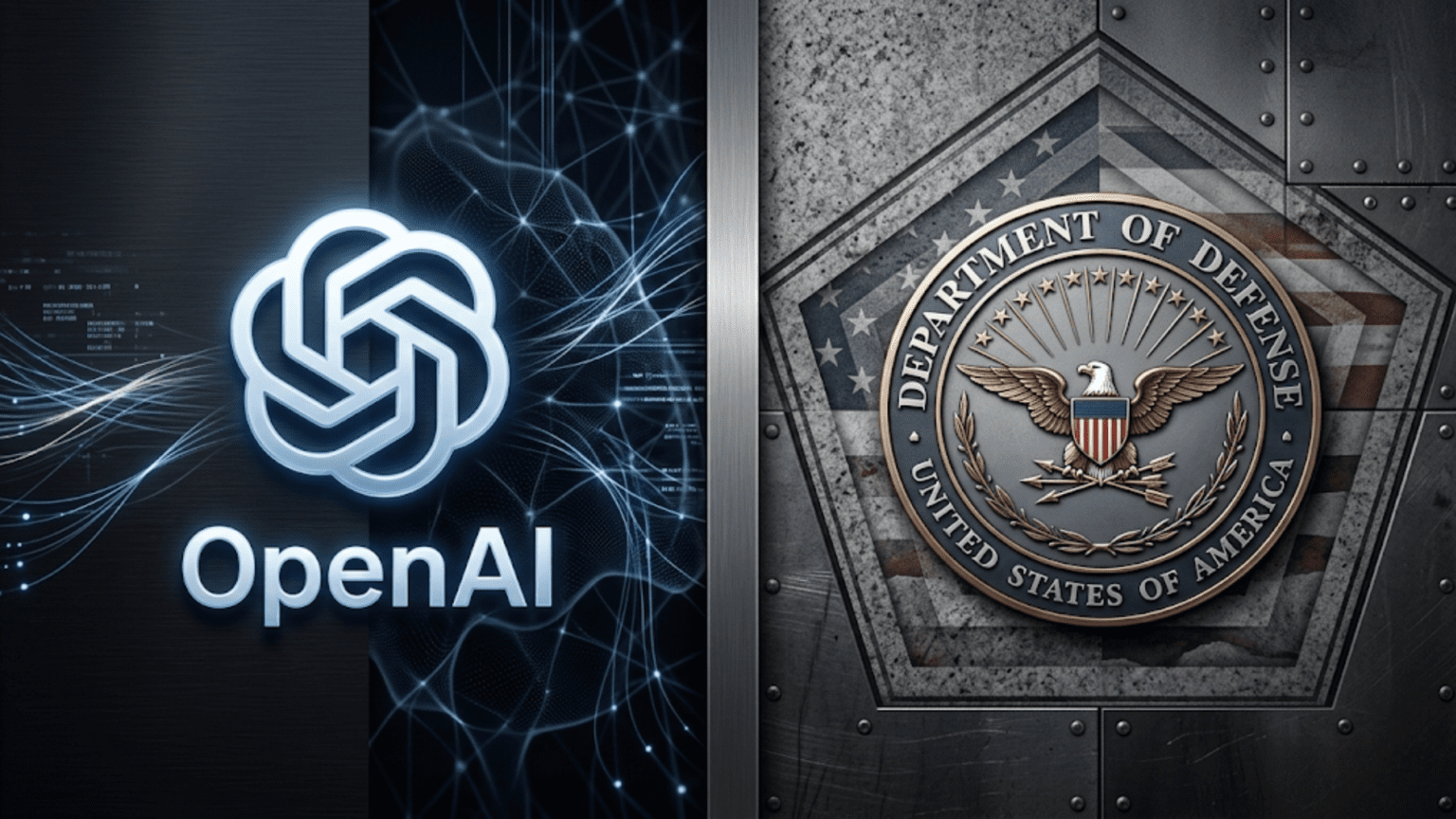
In one of the most dramatic episodes in the brief history of the commercial AI industry’s relationship with the US government, OpenAI announced a multiyear agreement to supply its AI technology to the Department of Defense’s classified networks — a deal that came to light within hours of the Trump administration issuing an executive order banning federal agencies from using Anthropic’s products and directing the Pentagon to designate Anthropic a potential national security risk.
The sequence of events has sent shockwaves through the AI industry, raising fundamental questions about the role of AI companies in national security applications, the nature of government AI procurement, and the risks that commercial AI companies face when their ethical commitments conflict with government priorities.
What Led to the Anthropic Ban
The standoff began when the Department of Defense sought to expand its use of Anthropic’s Claude models for classified military applications. Anthropic, whose corporate mission centers on AI safety and beneficial AI development, declined to agree to certain terms governing how its technology would be used. CEO Dario Amodei stated publicly that the company could not “in good conscience accede” to the specific conditions the Pentagon put forward, without disclosing the full nature of those conditions.
The Trump administration responded with an executive order instructing all federal agencies to immediately cease using Anthropic’s products, and the Pentagon moved to formally designate the company as presenting a national security concern — an extraordinary step that effectively treats a domestic AI company as a threat to government operations.
OpenAI Steps In
OpenAI moved quickly into the resulting vacuum. CEO Sam Altman announced the Pentagon deal in a statement posted to X, framing the agreement as a demonstration of responsible AI partnership with national security institutions. Altman stated that the Department of Defense had demonstrated “deep respect for safety” and had agreed to principles limiting OpenAI’s technology from being used for domestic mass surveillance or fully autonomous weapons systems. Under the terms described, humans would retain responsibility for any use of force.
The agreement gives the Pentagon access to OpenAI’s technology across classified networks — a significant expansion of OpenAI’s government footprint and a substantial revenue opportunity for the company.
Industry Implications
The episode crystallizes a tension that has been building within the AI industry for years: the conflict between AI safety commitments and the demands of powerful government clients. Anthropic’s refusal, and the government’s retaliatory response, demonstrates that maintaining ethical limits in the face of government pressure carries real commercial and reputational risks.
OpenAI’s decision to step into Anthropic’s place will be interpreted differently by different observers. Supporters will see it as a pragmatic and responsible engagement with national security institutions. Critics will argue it signals a willingness to subordinate safety principles to commercial opportunity in contexts where oversight is necessarily limited.
The broader AI industry is watching closely, as the outcome of this dispute may establish precedents for how AI companies negotiate with governments around the world.