Introduction to Electronics
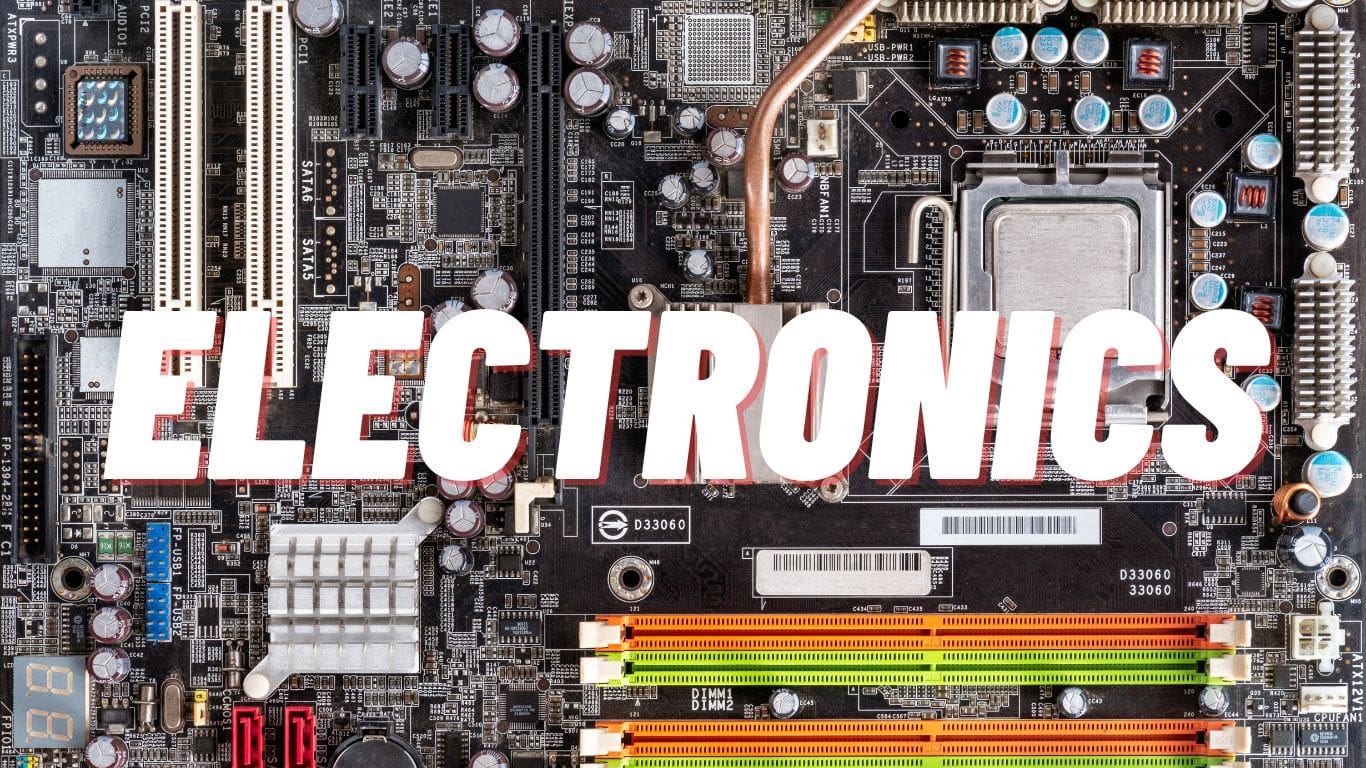
Electronics is a fundamental pillar of modern technology, influencing everything from household appliances to sophisticated computing systems. Understanding electronics opens up a world of innovation and creativity, allowing enthusiasts, students, and professionals alike to design and build not just circuits but solutions to everyday problems. Electronics category is designed to explore this exciting field, providing you with the knowledge and tools to turn ideas into reality.
We are thrilled to announce the Electronics category on Techietory —a comprehensive resource dedicated to all things electronics. Whether you are a beginner to understand the basics or an experienced engineer seeking advanced project ideas, this category will serve as your go-to guide for electronic design, troubleshooting, and innovation.
Detailed Overview of Subcategories
Basics: This subcategory is your starting line for entering the world of electronics. Articles and tutorials will cover foundational topics such as understanding electrical units, reading schematics, and building simple circuits. Essential for beginners, these resources aim to set a solid foundation of knowledge and skills.
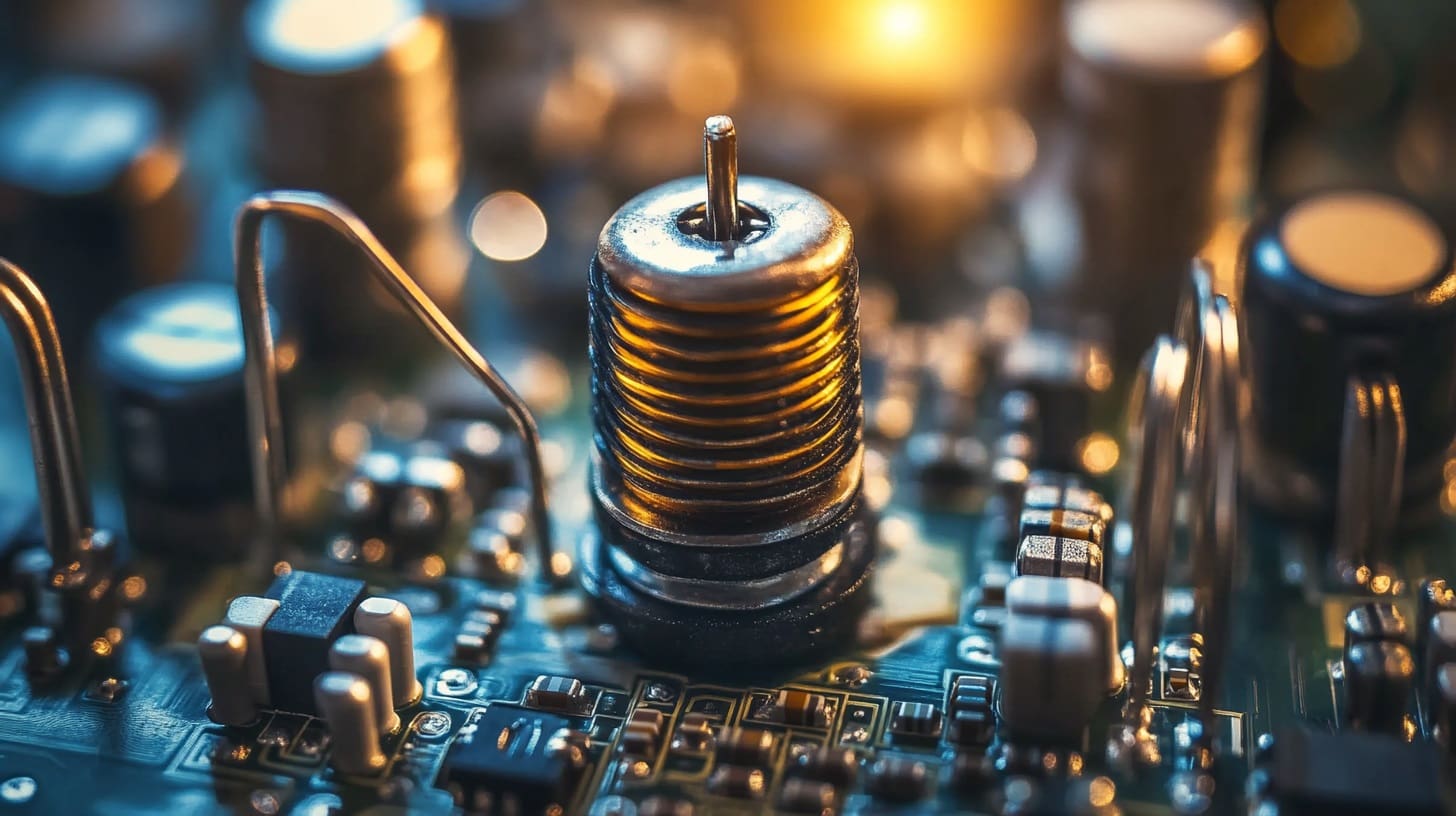
Components: Dive into the diverse array of electronic components that make up the building blocks of all electronic devices. From passive components like resistors and capacitors to active elements like transistors and integrated circuits, you’ll learn about their functions, how to choose them for your projects, and tips for sourcing and handling.
Arduino: Arduino boards are crucial for anyone interested in DIY electronics and interactive projects. This subcategory will explore various Arduino models, their capabilities, and how to utilize them in everything from home automation to robotics. Detailed project guides will provide step-by-step instructions to help you create functional and innovative Arduino-based systems.
Raspberry Pi: Focusing on the versatile Raspberry Pi platform, this subcategory offers everything you need to start using this tiny computer for big projects. Whether it’s setting up a media center, programming a weather station, or building a home security system, the Raspberry Pi subcategory will be filled with practical applications and detailed coding tutorials.
Expertise and Community Interaction
The content in our Electronics category is curated by a team of experienced educators, passionate hobbyists, and professional engineers. We encourage you to interact with these experts and your fellow readers through comments and social media. Sharing your projects, challenges, and solutions helps build a vibrant community of electronic enthusiasts.
What Readers Can Expect
Prepare to engage with a wide variety of content that will not only educate but also inspire. From basic tutorials that explain electronics principles to complex projects that challenge your skills, this category is designed to foster learning at every level.
Call to Action
Join us as we explore the fascinating world of electronics! Subscribe to our newsletter for the latest updates and exclusive content delivered directly to your inbox. Participate in our community by commenting on articles, sharing your projects, and suggesting new content that you would find helpful. Your feedback and engagement are vital to our collective learning journey.