

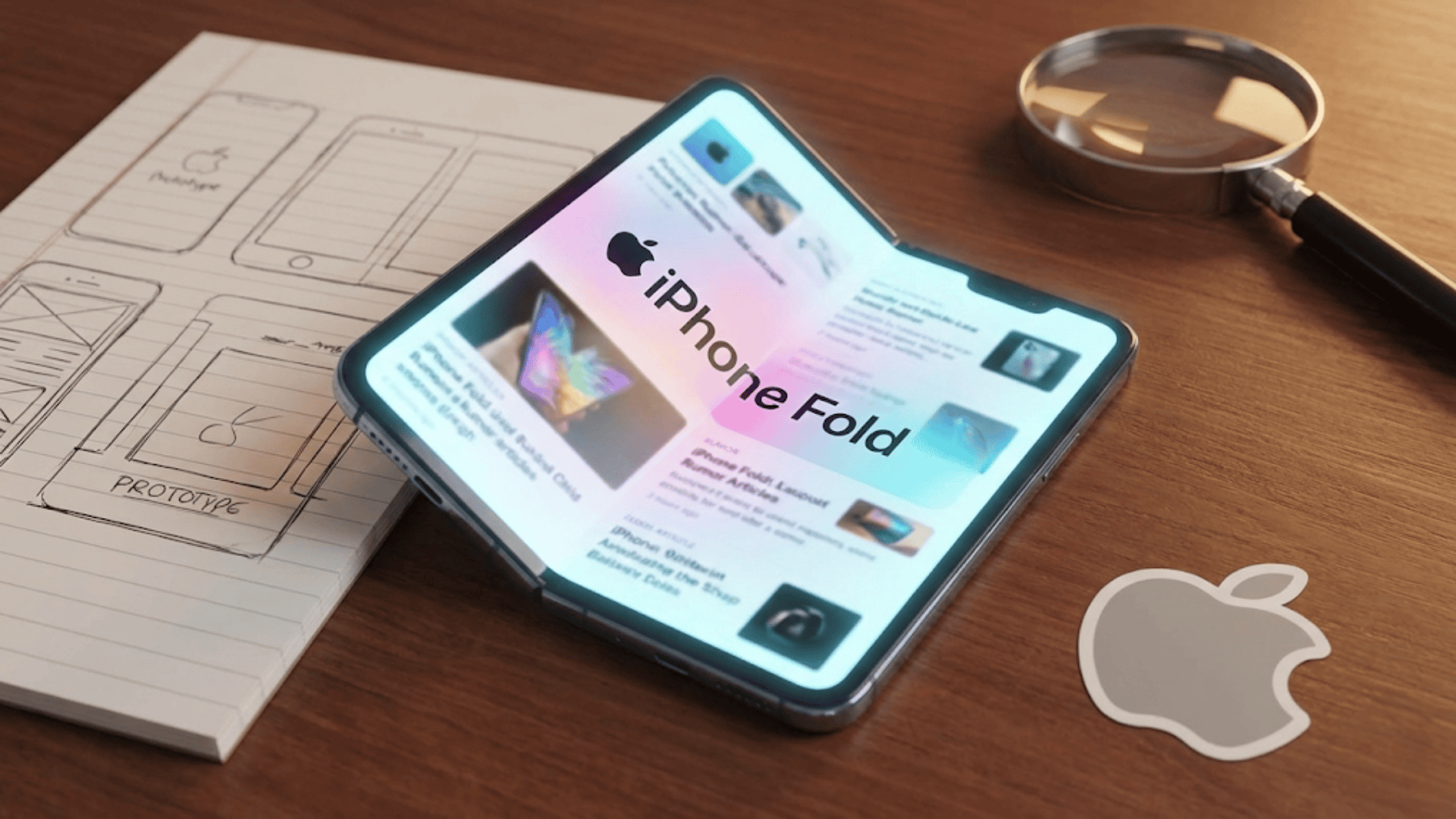

Apple is preparing to launch its first foldable smartphone in September 2026, representing one of the most significant product introductions in the company’s history. The device, widely referred to as the iPhone Fold, will mark Apple’s entry into the foldable phone market seven years after Samsung introduced the first foldable smartphone.
The iPhone Fold will adopt a book-style design that opens horizontally, similar to reading a book, rather than the clamshell design that flips vertically. When closed, the device will feature an external display measuring approximately 5.3 to 5.5 inches, while opening to reveal an internal screen of 7.6 to 7.8 inches. This larger unfolded size makes it comparable to an iPad mini, offering tablet-like screen real estate in a pocketable device.
Apple’s most significant achievement with the iPhone Fold appears to be solving the crease problem that has plagued competing foldable devices. Multiple sources indicate that Apple has successfully eliminated the visible crease through advanced materials science and precision engineering, pursuing this goal regardless of cost. The company has reportedly developed a new material property combined with a sophisticated hinge design using Liquidmetal components that allows the display to fold without creating a permanent crease line.
The device will be remarkably thin when unfolded, measuring just 4.5 millimeters at its thinnest point. This would make it the thinnest device Apple has ever produced, surpassing even the 12.9-inch iPad Pro. When folded, the iPhone Fold will measure between 9 and 9.5 millimeters, still relatively slim given the complexity of housing dual displays and folding mechanisms.
In a departure from recent iPhone designs, the foldable model will reportedly not include Face ID technology. Instead, Apple is expected to use a Touch ID sensor integrated into the power button, similar to the implementation on iPad Air models. This decision likely reflects the engineering challenges of incorporating the Face ID sensor array into the ultra-thin foldable design.
The camera system will include a selfie camera positioned in the top-left corner of the internal display when unfolded, plus dual rear cameras. While camera specifications haven’t been finalized, Apple is expected to use high-quality sensors that maintain the photographic capabilities consumers expect from premium iPhones.
Pricing for the iPhone Fold represents the premium nature of the technology involved. Analyst estimates range from $1,800 to $2,500, with the most recent predictions pointing toward the higher end of that range. At around $2,400, the iPhone Fold would cost nearly double that of an iPhone 17 Pro Max, positioning it as Apple’s most expensive iPhone and a luxury product targeted at enthusiasts and early adopters.
The iPhone Fold will be powered by Apple’s 2-nanometer A20 chip, representing the latest advancement in Apple’s custom silicon development. This chip will enable not only the computational requirements of running multiple displays but also advanced AI features that Apple has been developing.
Software optimization will be crucial to the iPhone Fold’s success. iOS 27, which will debut alongside the device, will include features specifically designed for the foldable form factor, such as enhanced multitasking interfaces and apps that can intelligently adapt to different screen configurations. Apple’s expertise in hardware-software integration should allow the iPhone Fold to offer experiences that seamlessly transition between phone and tablet modes.


