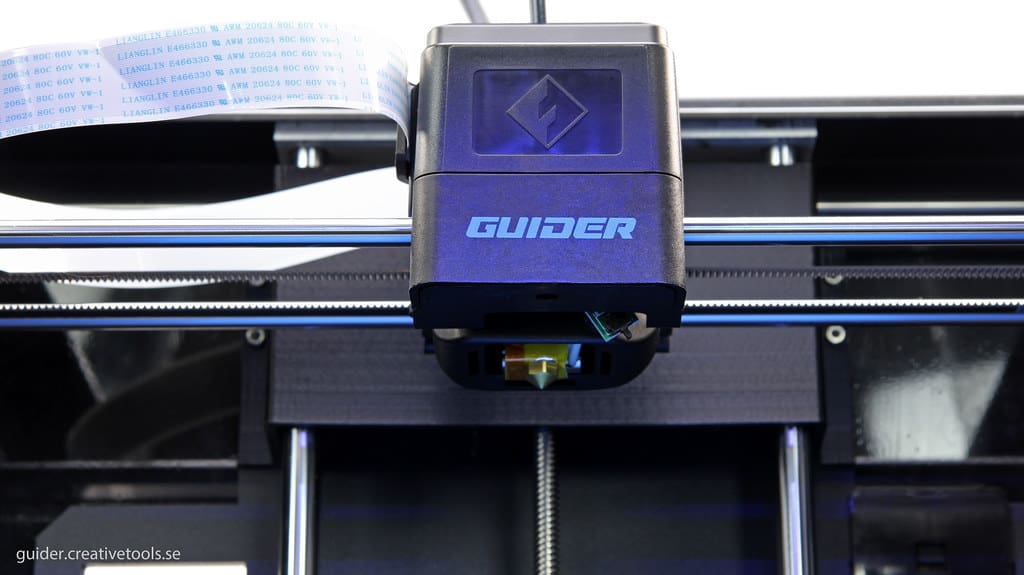
The extruder is a critical component of a 3D printer, especially in the realm of Fused Deposition Modeling (FDM) technology. It is responsible for feeding filament to the hot end, where it is melted and deposited layer by layer to build up a 3D object. The efficiency, design, and type of extruder can significantly affect the print quality, speed, and the types of materials a printer can handle. This article delves into the complexities of the extruder, exploring its various types, the technology behind it, and how it influences the overall functionality of a 3D printer.
Importance of the Extruder in 3D Printing
Material Handling: The extruder is designed to handle various types of filament, from common plastics like PLA and ABS to more challenging materials like flexible TPU or composite filaments embedded with fibers like carbon fiber.
Print Quality: A well-designed extruder ensures consistent pressure and flow of the filament, which is crucial for achieving high-quality prints with smooth surfaces and accurate dimensions.
Speed and Reliability: The reliability of an extruder affects the printer’s uptime and overall productivity. An extruder that consistently performs well can maintain faster print speeds without risking errors like under-extrusion or filament jams.
Versatility: Advanced extruders can switch between different filament types and sizes, enabling users to create prints with varying textures, strengths, and properties without needing multiple printers.
Types of Extruders in 3D Printing
Direct Drive Extruder: In a direct drive setup, the extruder is mounted directly above the hot end, providing a short path for the filament into the nozzle. This arrangement offers better responsiveness and more precise control of the filament, making it ideal for printing with flexible and soft materials.
Bowden Extruder: A Bowden extruder positions the motor away from the hot end, typically on the printer’s frame. The filament is pushed through a long, flexible tube to the hot end. This setup reduces the weight on the print head, which can allow for higher speed and less inertia-related issues, but it can be less effective with flexible materials due to the potential for filament buckling within the tube.
Geared Extruder: Geared extruders use a system of gears to reduce the motor’s speed while multiplying its torque. This increased control over the filament helps in precise extrusions, especially beneficial when dealing with filaments that require high force for extrusion.
Dual Extruders: Dual extruders can handle two filaments simultaneously, allowing for multi-material or multi-color printing within a single object. This setup is complex but offers vast potential for creativity and functionality in prints.
Components of an Extruder
Stepper Motor: The stepper motor is the driving force behind the extruder, providing the torque needed to push filament through the extruder assembly. Its precision and reliability directly impact the quality and consistency of extrusion.
Drive Gear: The drive gear bites into the filament, pushing it towards the hot end. Its design is critical for ensuring a consistent feed rate and preventing slippage or grinding of the filament.
Idler: The idler presses the filament against the drive gear. In many designs, it can be adjusted to change the pressure on the filament, accommodating different filament diameters or densities.
Filament Guide Path: The path through which the filament travels to the hot end must be smooth and well-aligned to prevent snags and ensure a steady flow.
Cooling System: Some extruders include a cooling system to prevent the heat from the hot end from creeping up into the extruder assembly, which could cause the filament to soften prematurely and jam.
Maintenance and Care of Extruders
Regular Cleaning: The extruder should be cleaned regularly to remove any debris or residue from the drive gears and to ensure the filament path is clear.
Lubrication: Components such as the idler and the filament path may require occasional lubrication to maintain smooth operation.
Calibration: The extruder must be calibrated to ensure that the amount of filament it pushes through is precisely controlled. Calibration involves adjusting the stepper motor’s steps per millimeter to match the actual filament feed rate.
Replacement of Parts: Over time, parts such as the drive gear and the idler might wear out, especially when printing with abrasive materials. Regular inspection and replacement of these parts are crucial for maintaining print quality.
The extruder is a fundamental component of a 3D printer that has a profound impact on every aspect of the printing process, from the types of materials used to the speed and quality of the final print. A well-designed and well-maintained extruder is crucial for achieving reliable and high-quality 3D printing results. Innovations in extruder technology continue to advance, offering greater versatility and efficiency for 3D printing enthusiasts and professionals alike.