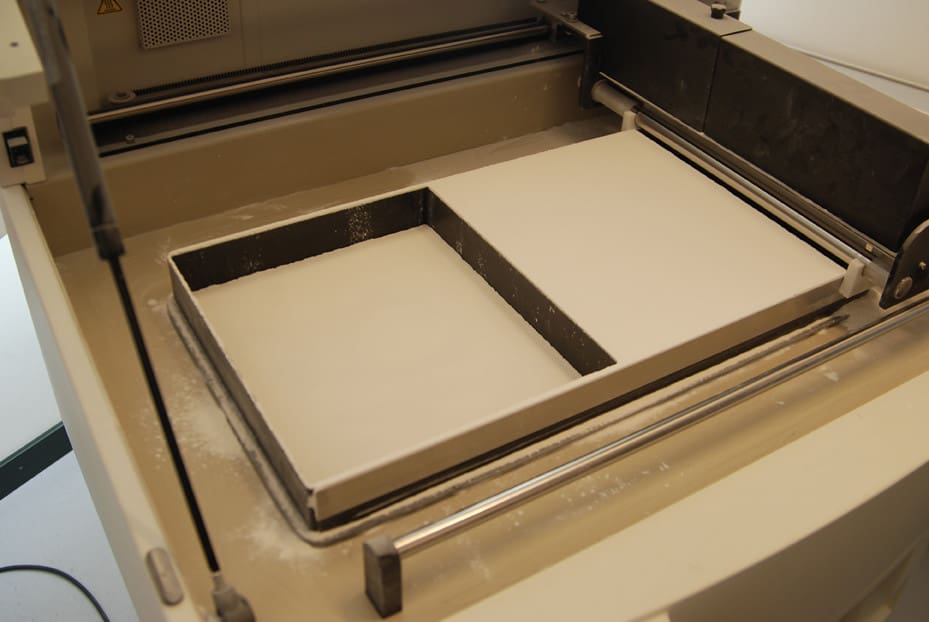
In the world of 3D printing, particularly in processes that require highly controlled environments such as Electron Beam Melting (EBM) and certain types of resin printing, the vacuum chamber stands out as a crucial component. This chamber creates a vacuum or a significantly reduced pressure environment, essential for preventing contamination and ensuring the high quality of the final products. This article delves into the importance, functionality, and maintenance of the vacuum chamber in 3D printing, emphasizing its role in enhancing the precision, consistency, and safety of the printing process.
Importance of the Vacuum Chamber in 3D Printing
Contamination Control: By maintaining a vacuum or near-vacuum environment, the chamber prevents atmospheric gases, moisture, and particulates from interfering with the printing process, which is crucial for materials sensitive to oxidation or other chemical reactions.
Improved Material Properties: In processes like EBM, where metal powders are melted using an electron beam, the vacuum is essential to prevent the beam from scattering due to air molecules, thus ensuring smoother, more precise melting and solidification.
Enhanced Safety: The vacuum chamber helps contain potentially harmful fumes and vapors released during the printing process, improving safety for operators and meeting environmental regulations.
Increased Process Control: Vacuum conditions allow for more consistent control over process variables like temperature and pressure, directly impacting the mechanical properties and integrity of the printed objects.
Components of the Vacuum Chamber in 3D Printers
Chamber Body: Constructed from materials capable of withstanding external atmospheric pressure when the internal pressure is significantly lower, typically metals like stainless steel with high strength and corrosion resistance.
Sealing Mechanisms: Includes gaskets and seals that maintain the vacuum by preventing air leaks, essential for the long-term reliability and effectiveness of the chamber.
Vacuum Pumps: Remove air and other gases from the chamber to achieve the required vacuum level. Types of vacuum pumps used can include rotary vane, diaphragm, and turbomolecular pumps, each suitable for different levels of vacuum and contamination sensitivity.
Pressure Sensors and Gauges: Monitor and control the internal pressure of the chamber, ensuring that the vacuum level is appropriate for the specific printing process being conducted.
Feedthroughs: Provide airtight passages for electrical, material, and fluid connections into the chamber without compromising the vacuum integrity.
Control System: Integrates the operation of the vacuum pumps, sensors, and other components, maintaining optimal conditions within the chamber automatically.
Installation and Calibration of the Vacuum Chamber
Proper Installation: Ensuring that all components of the vacuum chamber are correctly installed and securely fitted is crucial. This includes a thorough check of sealing points, feedthroughs, and the structural integrity of the chamber body.
Calibration: The vacuum system, including pumps and sensors, must be calibrated to ensure accurate pressure control. This typically involves setting sensor thresholds and testing pump efficiency to achieve the desired vacuum levels.
Testing: Conducting a series of tests to verify the chamber’s ability to maintain a stable vacuum over extended periods is essential, especially after new installations or repairs.
Maintenance and Optimization of the Vacuum Chamber
Regular Leak Testing: Performing routine leak tests to identify and repair any potential breaches in the chamber’s integrity, ensuring consistent vacuum performance.
Pump Maintenance: Regular maintenance of vacuum pumps, including oil changes, filter replacements, and mechanical inspections, is vital to prevent failures and maintain effective vacuum conditions.
Seal and Gasket Replacement: Over time, seals and gaskets may degrade. Regular replacement is necessary to maintain the vacuum integrity of the chamber.
Sensor Calibration: Regular calibration of pressure sensors ensures that they provide accurate readings, which is crucial for maintaining the correct vacuum conditions for printing.
Challenges and Solutions
Material Outgassing: Some materials may release gases when placed under vacuum, which can degrade the vacuum quality. Pre-treating materials or using getter materials to absorb outgassed molecules can mitigate this issue.
Vacuum Fluctuations: Changes in vacuum levels during printing can affect print quality. Using more robust control systems and backup pumps can help maintain a stable vacuum.
Energy Consumption: Maintaining a vacuum can be energy-intensive. Optimizing pump operations and improving chamber insulation can reduce energy requirements.
The vacuum chamber is a critical component in certain types of 3D printers, playing a key role in maintaining the purity and stability of the printing environment. Proper management, regular maintenance, and careful calibration of the vacuum chamber are essential for maximizing the capabilities of 3D printers and ensuring the production of high-quality, precise, and reliable printed products. By thoroughly understanding and meticulously maintaining the vacuum chamber, manufacturers can achieve improved operational reliability and enhanced print quality, fully leveraging the advanced capabilities of 3D printing technology.