

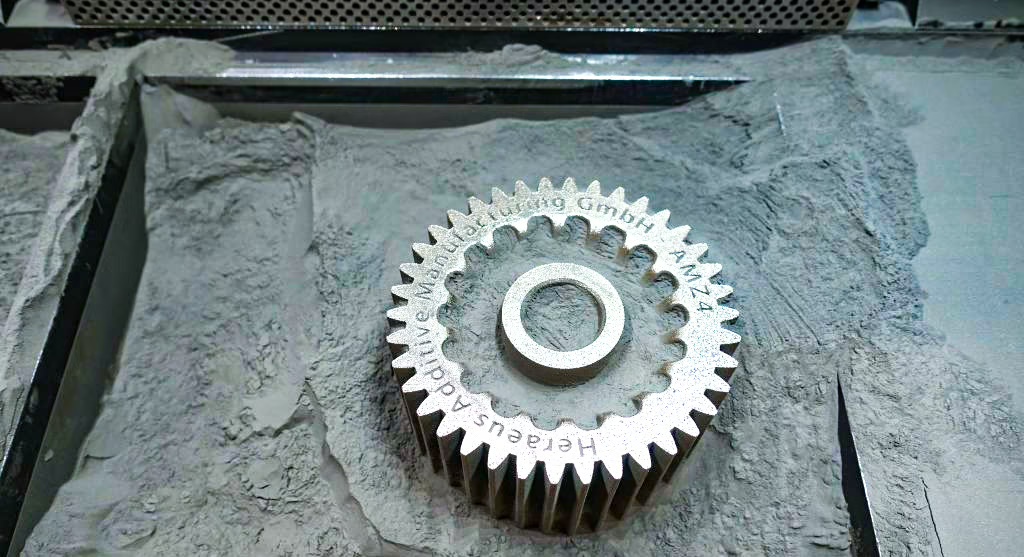

In the field of metal 3D printing, particularly in processes like Direct Metal Laser Sintering (DMLS) and Selective Laser Melting (SLM), the metal powder supply system plays a crucial role. This system is responsible for delivering and distributing metal powder across the build platform, ensuring that each layer is precisely applied and ready for sintering or melting. This article explores the importance, functionality, and maintenance of the metal powder supply system in 3D printing, highlighting its role in optimizing the manufacturing process and ensuring high-quality, consistent results.
Importance of the Metal Powder Supply System in 3D Printing
Consistent Material Flow: A reliable powder supply system is essential for maintaining a steady flow of metal powder, which is crucial for achieving uniform layer thickness and density throughout the printing process.
Material Efficiency: By efficiently managing the delivery and recycling of metal powder, the system minimizes waste and maximizes the use of materials, which is particularly important given the high cost of metal powders.
Precision in Printing: The accuracy of the powder application directly affects the resolution and dimensional accuracy of the final print. Precise control over powder distribution is essential for producing complex geometries and fine features.
Operational Speed: An effective powder supply system can significantly enhance the speed of the printing process by quickly and smoothly preparing each layer for sintering or melting, thus improving overall productivity.
Components of the Metal Powder Supply System in 3D Printers
Feed Hoppers: Store the bulk metal powder before it is distributed across the build platform. These hoppers often feature mechanisms to agitate the powder, ensuring it flows consistently and is free from clumps.
Spreading Mechanism: Typically a roller or a blade that evenly distributes the powder over the build platform. The precision and uniformity of the spread directly influence the quality of the print.
Recoating System: After each print layer is fused, the recoating system applies a new layer of powder over the build area, ensuring that the process continues smoothly without interruption.
Vacuum or Suction System: Removes excess or used powder from the build area, which can then be recycled and reused in subsequent print cycles.
Control Electronics: Manage the timing, speed, and coordination of the powder supply with the laser sintering or melting processes. Proper synchronization is crucial for maintaining print quality and efficiency.
Installation and Calibration of the Metal Powder Supply System
Proper Installation: Ensuring that the powder supply system is correctly installed is crucial for its effective operation. This includes checking that all connections and pathways are secure and free from blockages.
Calibration: The system must be calibrated to deliver the correct amount of powder per layer and to spread it uniformly across the build platform. This calibration is typically performed at setup and checked regularly as part of routine maintenance.
Testing: Before starting production, running comprehensive tests with the powder supply system can help identify any issues with flow rates, spreading uniformity, or recycling efficiency.
Maintenance and Optimization of the Metal Powder Supply System
Regular Cleaning: Powder residues can build up in the system, leading to blockages or inconsistent flow. Regular cleaning is essential to maintain system performance and prevent operational issues.
Component Inspections: Routine inspections of the spreading mechanism, vacuum system, and feed hoppers can help catch wear and tear or mechanical failures early, before they lead to significant downtime.
Powder Quality Checks: Regular testing of the metal powder for particle size distribution, moisture content, and other quality parameters is crucial to ensure that the powder remains suitable for high-quality printing.
Software Updates: Keeping the system’s software updated can bring improvements to the control algorithms of the powder supply system, enhancing efficiency and adaptability to different types of metal powders.
Challenges and Solutions
Powder Handling: Managing fine metal powders can be challenging due to their tendency to clump or become contaminated. Implementing meticulous handling procedures and using high-quality powders are essential for maintaining the integrity of the print process.
Mechanical Wear: Components that are in constant contact with abrasive metal powders, such as spreading blades or rollers, are prone to wear. Using wear-resistant materials and scheduling regular replacements can mitigate this issue.
Environmental Control: Maintaining a controlled environment around the printer can help prevent fluctuations in temperature and humidity, which might affect the behavior of the metal powders and the consistency of the printing process.
The metal powder supply system is a fundamental component in metal 3D printing technologies, playing a vital role in material handling, print quality, and operational efficiency. Effective management and regular maintenance of this system are crucial for maximizing the capabilities of metal 3D printers and ensuring the production of high-quality, precise, and reliable printed products. By understanding and optimizing the function and maintenance of the metal powder supply system, manufacturers can achieve improved operational reliability and enhanced print quality, fully leveraging the advanced capabilities of metal 3D printing technology.


