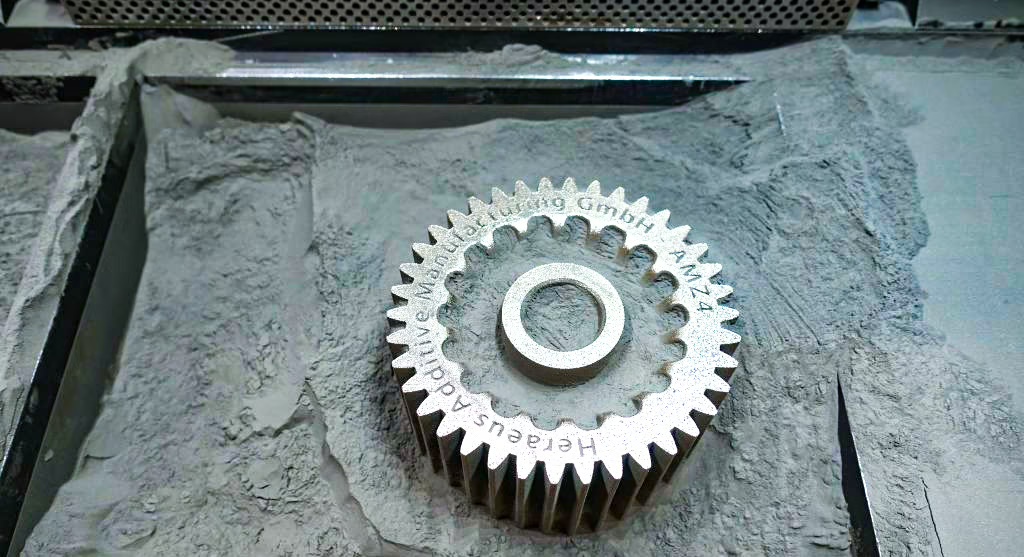
In the realm of 3D printing, laser systems play a pivotal role, especially in technologies like Selective Laser Sintering (SLS), Stereolithography (SLA), and Direct Metal Laser Sintering (DMLS). These systems are integral to the process, focusing high-intensity laser beams to precisely melt or cure materials, layer by layer, into final products. This article explores the importance, functionality, and maintenance of laser systems in 3D printing, emphasizing their role in achieving high-resolution, durable, and dimensionally accurate prints.
Importance of the Laser System in 3D Printing
Precision and Detail: The laser system allows for incredibly precise control over where and how much material is melted or cured, crucial for achieving fine details and complex geometries in printed objects.
Material Compatibility: Lasers can process a variety of materials, from plastics and resins to high-strength metals, making them versatile tools in both industrial and creative applications.
Speed of Production: By optimizing the movement and intensity of the laser beam, these systems can significantly speed up the printing process, enhancing productivity and efficiency.
Energy Efficiency: Modern laser systems are designed to maximize the use of energy, directing it precisely where it is needed, which minimizes waste and reduces operational costs.
Components of the Laser System in 3D Printers
Laser Source: The core of the laser system, typically a solid-state laser like a fiber laser, which is known for its efficiency, reliability, and capability to deliver high-power beams necessary for sintering and curing.
Galvanometric Scanners (Galvo Scanners): These are used to steer the laser beam rapidly across the print surface. Precision in the mirrors and motors of galvo scanners is critical for achieving accurate and fast movement of the laser point.
Focusing Optics: Lenses and other optical components that focus the laser beam to a fine point at the correct distance from the surface. Proper focusing is essential for ensuring the energy is sufficiently concentrated to process the material effectively.
Control Electronics: Govern the operation of the laser, including its power output, modulation, and interaction with the galvo scanners. These controls must be finely tuned to manage the specifics of each print job.
Cooling System: Lasers generate significant heat, which must be managed to maintain system stability and performance. Cooling systems can be passive (using heat sinks) or active (using liquid or air cooling).
Installation and Calibration of the Laser System
Proper Installation: Ensuring that the laser and its components are correctly installed is crucial for its effective operation. This includes securing the laser source, aligning the galvo scanners, and focusing the optics accurately.
Calibration: The laser system must be calibrated to ensure that the beam is correctly focused and that the scanners direct it accurately over the designated coordinates. Calibration is particularly important when changing materials or after routine maintenance.
Testing: It is essential to test the laser system under various operating conditions to validate its performance. This may involve running controlled print jobs to verify that the laser interacts correctly with the material and adheres to the specified geometries.
Maintenance and Optimization of the Laser System
Regular Cleaning: Keeping the laser source, galvo scanners, and optics clean is crucial for maintaining optimal performance. Dust and residue can interfere with the beam quality and precision.
Optical Adjustments: Regular checks and adjustments of the focusing optics are necessary to compensate for any shifts due to thermal expansion or mechanical vibrations.
System Checks: Routine inspections of the laser source and its cooling system are needed to ensure they are functioning correctly and to prevent overheating or other failures.
Firmware and Software Updates: Keeping the control software updated can introduce improvements to the laser system’s functionality, making it more efficient and compatible with new materials and printing techniques.
Challenges and Solutions
Beam Stability: Maintaining the stability of the laser beam over long print jobs can be challenging. Implementing robust cooling and precise control systems can help mitigate issues related to thermal drift and optical path changes.
Material Interaction: Different materials absorb laser energy at different rates, which can affect the efficiency of the printing process. Extensive material testing and parameter optimization are required to ensure optimal interactions.
Safety Considerations: Lasers are powerful devices that can pose safety risks if not properly contained. Integrating comprehensive safety measures, including protective housings and safety interlocks, is crucial to prevent exposure to harmful laser radiation.
The laser system is a critical component of many 3D printing technologies, playing a key role in the precision, efficiency, and versatility of the printing process. Proper management, regular maintenance, and careful calibration of the laser system are essential for maximizing the capabilities of 3D printers and ensuring the production of high-quality, precise, and reliable printed products. By thoroughly understanding and meticulously maintaining the laser system, manufacturers can achieve improved operational reliability and enhanced print quality, fully leveraging the advanced capabilities of 3D printing technology.