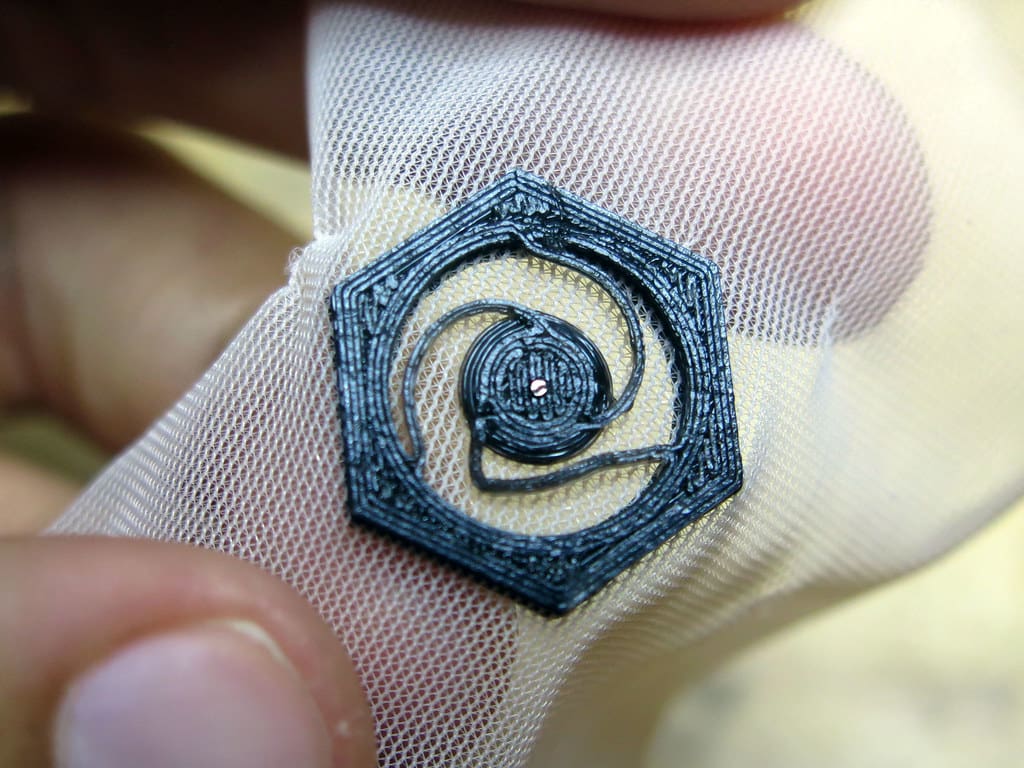
Textile engineering management involves overseeing the design, production, and distribution processes within the textile industry, ensuring efficiency, innovation, and profitability. The advent of 3D printing technology has introduced significant advancements in textile engineering, enabling managers to redefine manufacturing processes and product offerings. As 3D printing continues to evolve, it provides powerful tools for enhancing customization, reducing waste, and accelerating product development cycles in textile engineering.
The Emergence of 3D Printing in Textile Engineering Management
Initially utilized for prototyping in industrial applications, 3D printing has found a profound application in textile engineering, transforming traditional manufacturing methods. This technology allows for the direct fabrication of textiles with complex designs and integrated functionalities, paving the way for innovative applications in fashion, medical textiles, and technical textiles. As 3D printing technology matures, textile engineering managers are increasingly leveraging its capabilities to enhance operational efficiencies and meet evolving market demands.

Advantages of 3D Printing in Textile Engineering Management
Customization and Flexibility: 3D printing enables the production of textiles tailored to specific customer or market needs without significant additional costs. This level of customization is particularly advantageous in industries like fashion and medical devices, where consumer-specific needs are paramount.
Rapid Prototyping and Market Response: 3D printing accelerates the prototyping process, allowing textile managers to quickly respond to market trends and consumer feedback. This rapid turnaround capability can significantly shorten the product development cycle, from design to retail.
Waste Reduction and Sustainability: Additive manufacturing minimizes waste by using only the necessary materials required to construct a garment or textile product. This efficiency not only reduces costs but also supports more sustainable manufacturing practices, aligning with global efforts towards environmental responsibility.
Innovative Product Development: 3D printing opens new avenues for creating complex and multi-functional textiles that combine various properties such as conductivity, water repellency, and high durability, which are often challenging to achieve with traditional textiles.
Key Applications of 3D Printing in Textile Engineering Management
High-Performance Apparel: In sectors like sports and aerospace, 3D printing is used to develop performance-oriented apparel that conforms precisely to specific functional requirements, such as improved aerodynamics or enhanced thermal regulation.
Medical Textiles: 3D printed textiles are increasingly employed in the medical sector for creating patient-specific implants, prostheses, and wearable devices that offer improved compatibility and functionality.
Fashion and Design Innovation: The fashion industry benefits from 3D printing by exploring unprecedented designs that incorporate intricate patterns and structures, pushing the boundaries of traditional textile aesthetics and construction.
Prototyping and Functional Testing: Textile managers utilize 3D printing to prototype new materials and test their functionality under various conditions, ensuring that the final products meet quality and performance standards before mass production.

Challenges in 3D Printing for Textile Engineering Management
Material Limitations: The range of materials suitable for 3D printed textiles still faces limitations, particularly concerning the feel, drape, and durability that match traditional fabrics.
Production Speed and Scalability: While 3D printing offers effective prototyping and small-scale production solutions, scaling these processes for mass production remains challenging and potentially costly.
Skill Gap and Technical Training: Implementing 3D printing in traditional textile manufacturing settings requires a significant shift in skills and knowledge. Ongoing training and development are necessary to fully integrate 3D printing into existing workflows.
Market Acceptance: Despite the innovative potential of 3D printed textiles, gaining widespread acceptance from consumers and stakeholders accustomed to traditional textiles can be slow. Overcoming skepticism related to the comfort, style, and functionality of 3D printed products is crucial.
Future Directions in 3D Printing for Textile Engineering Management
The future of 3D printing in textile engineering management is promising, with continuous advancements expected to address existing challenges and expand capabilities. Emerging trends include the development of new printable materials that closely mimic traditional textile properties, enhancements in printing technology to increase speed and reduce costs, and greater integration of digital tools to streamline design and production processes.
3D printing is poised to revolutionize textile engineering management by offering innovative solutions that streamline production processes, enhance product customization, and reduce environmental impact. As this technology continues to evolve, it promises to play a crucial role in the transformation of textile manufacturing, meeting the changing demands of modern consumers and industries. With strategic implementation and ongoing innovation, 3D printing will increasingly become a cornerstone of textile engineering management, reshaping the industry’s future landscape.