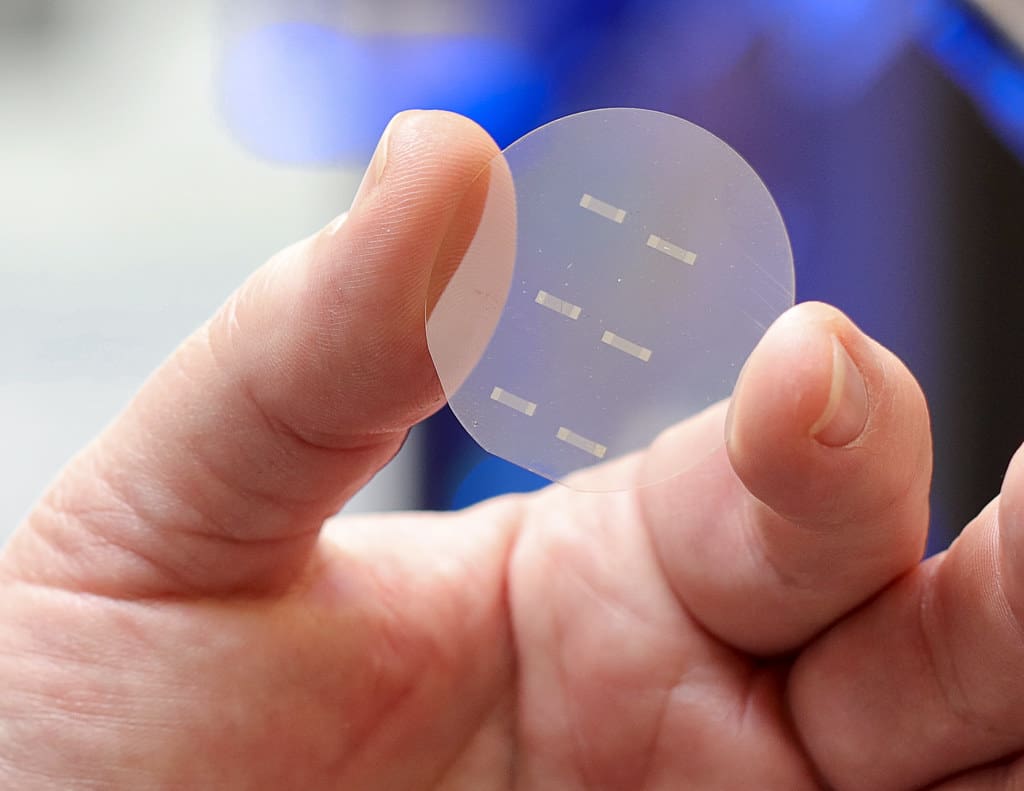
Nanomedicine, the medical application of nanotechnology, involves the use of materials at the nanoscale to diagnose, treat, and prevent diseases. It promises revolutionary changes in healthcare, offering potential solutions to many medical challenges, such as targeted drug delivery, regenerative medicine, and minimally invasive techniques. 3D printing, or additive manufacturing, has emerged as a critical technology in nanomedicine by enabling the precise fabrication of complex nanostructured materials and devices tailored to individual patient needs.
The Emergence of 3D Printing in Nanomedicine
Initially leveraged for prototyping in industrial applications, 3D printing technology has been refined to accommodate the unique requirements of nanomedicine. Innovations such as two-photon polymerization (2PP) have made it possible to produce features at the nanoscale with high precision, allowing researchers and clinicians to create structures that mimic cellular environments or deliver therapeutic agents directly to specific sites within the body.

Advantages of 3D Printing in Nanomedicine
Precision and Customization: 3D printing offers unparalleled precision in designing and creating nanoscale medical devices and implants. This precision is crucial for applications requiring customization to the patient’s physiological conditions, such as implants or scaffolds for tissue engineering.
Rapid Prototyping and Iteration: The technology enables rapid development and testing of new nanomedical devices, accelerating the transition from concept to clinical application. This rapid prototyping capability is vital for iterative design processes, where small adjustments can significantly impact performance and safety.
Complexity in Design: 3D printing allows for the creation of complex, multi-functional nanoscale structures that can perform several roles, such as targeting, diagnosing, and treating various diseases, all from a single platform.
Cost-Effectiveness: By reducing the material waste and eliminating the need for multiple manufacturing processes, 3D printing can lower the cost of producing bespoke medical nanodevices.
Key Applications of 3D Printing in Nanomedicine
Drug Delivery Systems: One of the most promising applications of 3D printing in nanomedicine is the development of personalized drug delivery systems that can control the dose, rate, and timing of drug release to optimize therapeutic outcomes.
Prosthetics and Implants: Nanostructured prosthetics and implants made via 3D printing can offer better integration with biological tissues, enhanced durability, and improved performance by mimicking the natural biomechanical properties of biological systems.
Tissue Engineering and Regenerative Medicine: 3D printed scaffolds can be used to support the growth and differentiation of cells, aiding in the development of tissues and organs for regenerative medicine. These scaffolds are designed with nanoscale features that promote cell adhesion, proliferation, and maturation.
Biosensors: Nano 3D printing can produce highly sensitive biosensors that detect physiological changes with high specificity and sensitivity, crucial for early disease diagnosis and monitoring.

Challenges in 3D Printing for Nanomedicine
Material Limitations: The selection of biocompatible materials that can be safely and effectively used in 3D printing nanomedical devices is still limited. Developing new materials that meet clinical safety standards is critical.
Regulatory Hurdles: Nanomedical devices must navigate complex regulatory landscapes to ensure they are safe and effective for clinical use. The approval process can be lengthy and costly, potentially slowing down the innovation cycle.
Technical Complexity: The design and production of nanostructures involve complex interactions at the molecular level, requiring sophisticated design tools and detailed understanding of nanotechnology and medicine.
Scalability: While 3D printing is excellent for producing customized solutions, scaling these processes for widespread clinical use remains challenging.
Future Directions in 3D Printing for Nanomedicine
The future of 3D printing in nanomedicine holds significant promise, with ongoing advancements in printer technologies, materials science, and digital design expected to enhance its applications. Future innovations may include the development of multi-material printers that can handle a broader range of biocompatible materials, as well as the integration of artificial intelligence to optimize designs for individual patients.
3D printing is set to continue its transformative impact on the field of nanomedicine, offering new levels of precision, efficiency, and customization in healthcare. As the technology progresses, it promises to unlock further potential in diagnosing, treating, and preventing diseases, thereby improving patient outcomes and the quality of healthcare. With continued innovation and integration, 3D printing will increasingly become a fundamental component of modern medical practices, reshaping how medical treatments are developed and administered.