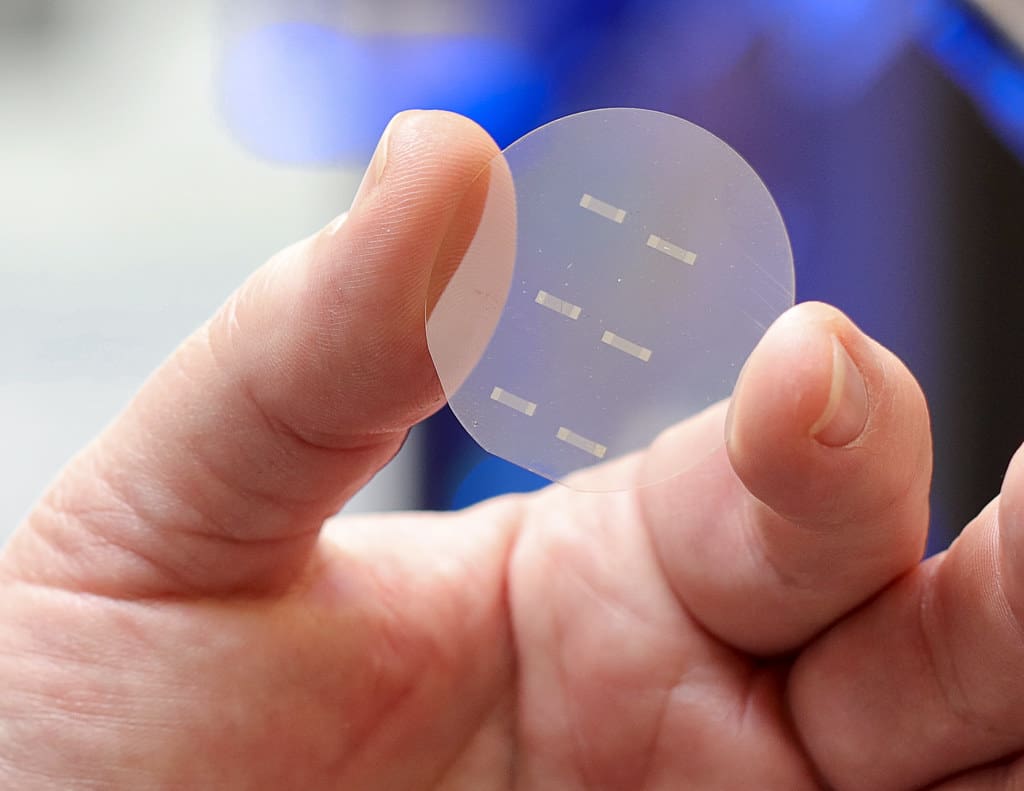
Drug delivery systems are crucial for achieving the desired therapeutic effect by controlling the rate, timing, and location of drug release within the body. Recent advancements in 3D printing, or additive manufacturing, have ushered in a new era for the development of personalized drug delivery devices. This technology allows for precise control over the composition, shape, and structure of these systems, enabling customized treatments tailored to individual patient needs. The integration of 3D printing into pharmaceuticals holds the potential to significantly enhance the efficacy, safety, and accessibility of medications.
The Emergence of 3D Printing in Drug Delivery
Initially used for creating prototypes and models, 3D printing has evolved to become a viable manufacturing technique for producing complex, patient-specific drug delivery devices. The technology’s ability to fabricate structures with intricate internal geometries makes it ideal for developing advanced drug delivery systems that can release medications at controlled rates over extended periods. As 3D printing technologies have advanced, they have been increasingly adopted by the pharmaceutical industry to address complex dosing requirements and improve patient compliance.

Advantages of 3D Printing in Drug Delivery
Customization and Precision: 3D printing allows for the creation of drug delivery devices tailored to the specific needs of patients, including dosing regimens, drug combinations, and release profiles. This precision is particularly beneficial for managing chronic diseases, pediatric and geriatric care, or treatments requiring complex dosing schedules.
Complex Dosage Forms: The technology enables the production of complex dosage forms that can contain multiple drugs with different release rates. This is achieved by precisely controlling the spatial distribution of active ingredients within a single tablet or implant.
Rapid Prototyping and Iteration: 3D printing facilitates rapid development and testing of new drug delivery systems. Pharmaceutical developers can quickly prototype various formulations and structures to optimize therapeutic outcomes and minimize side effects.
Reduction in Waste and Costs: Additive manufacturing reduces waste by using only the necessary materials required to produce each dosage form. Additionally, the ability to produce drug delivery devices on-demand can reduce inventory costs and minimize waste from expired medications.
Key Applications of 3D Printing in Drug Delivery
Personalized Medication: 3D printing is used to produce customized pills that contain exact doses of multiple drugs tailored to individual patient profiles. This customization can improve treatment effectiveness and reduce the risk of adverse drug interactions.
Controlled Release Systems: Advanced controlled release systems, such as implants and biodegradable matrices, can be fabricated to provide sustained drug release over prolonged periods. These systems are particularly useful for treating chronic conditions where maintaining consistent drug levels in the body is crucial.
Dissolvable Devices: 3D printed dissolvable devices that deliver drugs directly to specific sites within the body are being developed. These devices can maximize drug efficacy and minimize systemic side effects, particularly in targeted cancer therapies.
Bioprinting Tissues for Drug Testing: 3D bioprinting is used to create complex tissue models for in vitro drug testing. This application not only accelerates the drug development process but also reduces the reliance on animal testing.

Challenges in 3D Printing for Drug Delivery
Regulatory Hurdles: Navigating the regulatory landscape for 3D printed drug delivery systems is complex. Each new device or dosage form must undergo rigorous testing to ensure it meets safety and efficacy standards set by regulatory bodies like the FDA.
Material Compatibility: Finding biocompatible materials suitable for 3D printing and patient use is challenging. These materials must ensure the stability and viability of active pharmaceutical ingredients over time.
Scalability: While 3D printing is excellent for producing personalized medications and prototypes, scaling these processes to meet the demands of mass production without compromising quality or cost remains a significant challenge.
Technical Expertise: Developing and operating advanced 3D printing setups for drug delivery requires a high level of technical knowledge, combining skills from pharmaceutical sciences, materials engineering, and additive manufacturing.
Future Directions in 3D Printing for Drug Delivery
The future of 3D printing in drug delivery is promising, with ongoing advancements likely to further enhance the precision, efficiency, and personalization of drug delivery systems. Innovations may include the development of new biocompatible materials, more sophisticated multi-drug printing technologies, and automated systems for scalable production.
3D printing is poised to revolutionize the field of drug delivery by offering innovative solutions that enhance the personalization, efficacy, and safety of medical treatments. As the technology continues to evolve, it promises to expand the possibilities for tailored therapies, significantly impacting patient care and pharmaceutical development. With its potential to fundamentally change how medications are formulated, produced, and administered, 3D printing in drug delivery is a key player in the future of personalized medicine.